
Whether SEO is managed internally or by a provider, the work needs clear evaluation. Measurement helps identify what is changing in visibility, visits and business outcomes, but it does not automatically prove which action caused every change.
A useful analysis supports resource decisions and separates observed results from assumptions about value.
How do you assess SEO success?
Agree objectives before the work begins. For example, a business targeting 5% growth in relevant organic visits over a year may assess a 10% increase positively, provided the data is comparable and the visits support its actual needs.
The same increase would fall short of a target to double visits. Objectives need a baseline and context, and their realism should be assessed rather than treating any predetermined number as the correct expectation.
Clear objectives also help compare the resources allocated to search with those used for other channels. The aim is a suitable investment, not the largest possible SEO budget.
When objectives are difficult to define
Some businesses find it difficult to specify their SEO objectives, particularly when they have little reliable digital history.
An experienced provider can investigate the website, relevant demand and competition, then explain realistic priorities. A useful consultation identifies evidence and uncertainty rather than inventing a growth target without a baseline.
Define the result before measuring it
Once objectives are clear, define the measures used to assess progress. Suitable analytics tools can help collect the required website evidence.
Google Analytics 4 is one option for recording website activity. Its standard version may provide sufficient functionality, but collection, consent settings and event definitions must be checked before interpreting results.
Organic traffic as one important measure
Organic traffic is relevant to SEO evaluation, but it is not a complete measure of success. Consider which visits relate to the business and whether they support useful outcomes.
Organic search visits come from unpaid search results rather than advertising. The search engine does not charge for each organic click, although research, content and implementation still have costs.
Changes in organic visits can help assess whether SEO strategy is contributing to the intended outcome. Visits alone do not establish that the investment has paid for itself.
Website analytics measures
Organic search traffic
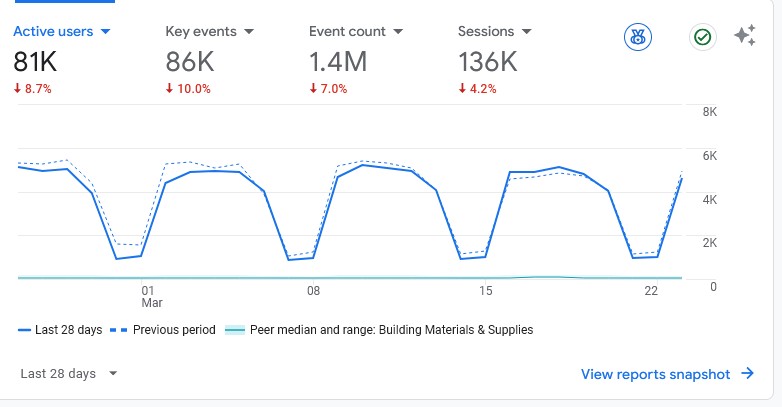
Review recorded users or sessions consistently, keeping the metric the same between periods. Monthly review can reveal trends, but account for seasonality, demand, tracking changes and the site's purpose rather than assuming traffic must rise every month.
Higher rankings can create more opportunity for clicks, but the outcome depends on demand, query mix and search features. Compare organic visits with total recorded traffic to understand the role of search engines.
Use appropriate sources to distinguish search engines, query groups and subsequent behaviour. Search Console provides search query data, while GA4 describes recorded activity after arrival; they do not expose an identical complete user journey.
Revenue attributed to organic search
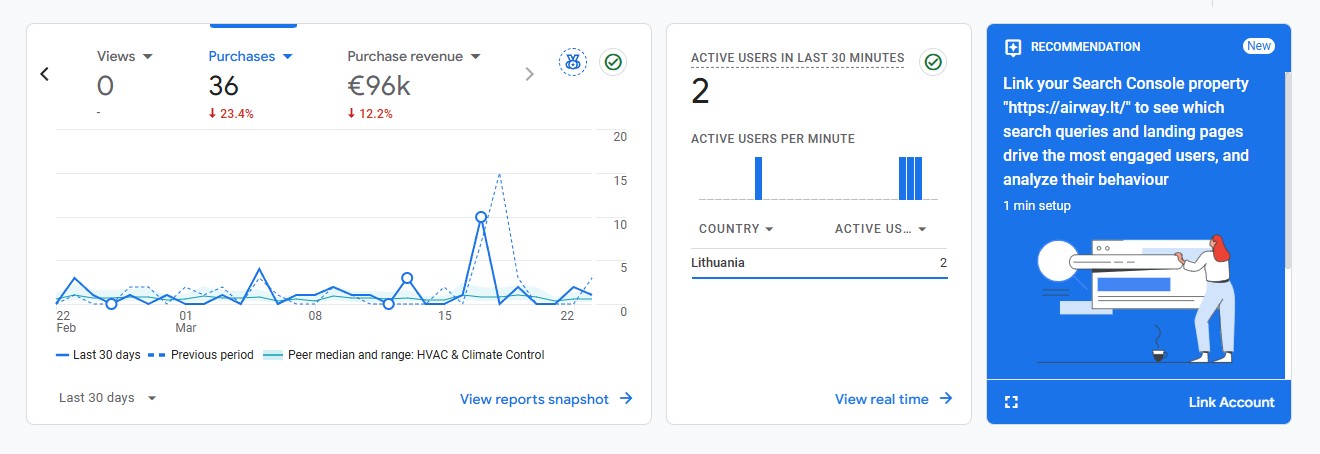
With correctly configured e-commerce tracking, analytics can report revenue attributed to organic traffic under the chosen reporting scope and model. This is not necessarily the full causal value of SEO and may be affected by consent, missing events, refunds or attribution rules.
Compare equivalent periods and review year-on-year context for seasonal businesses. Investigate unexplained changes alongside the commercial and technical events that may have affected the data.
Bounce rate
In GA4, bounce rate is the percentage of sessions that were not engaged. By default, a session is engaged if it lasts longer than ten seconds, has a key event or includes at least two page or screen views. This is different from the older definition based simply on a single-page visit.
A high bounce rate does not establish that visitors returned to search results or disliked the page. Review the page's task, event collection and relevant segments before deciding whether there is a problem.
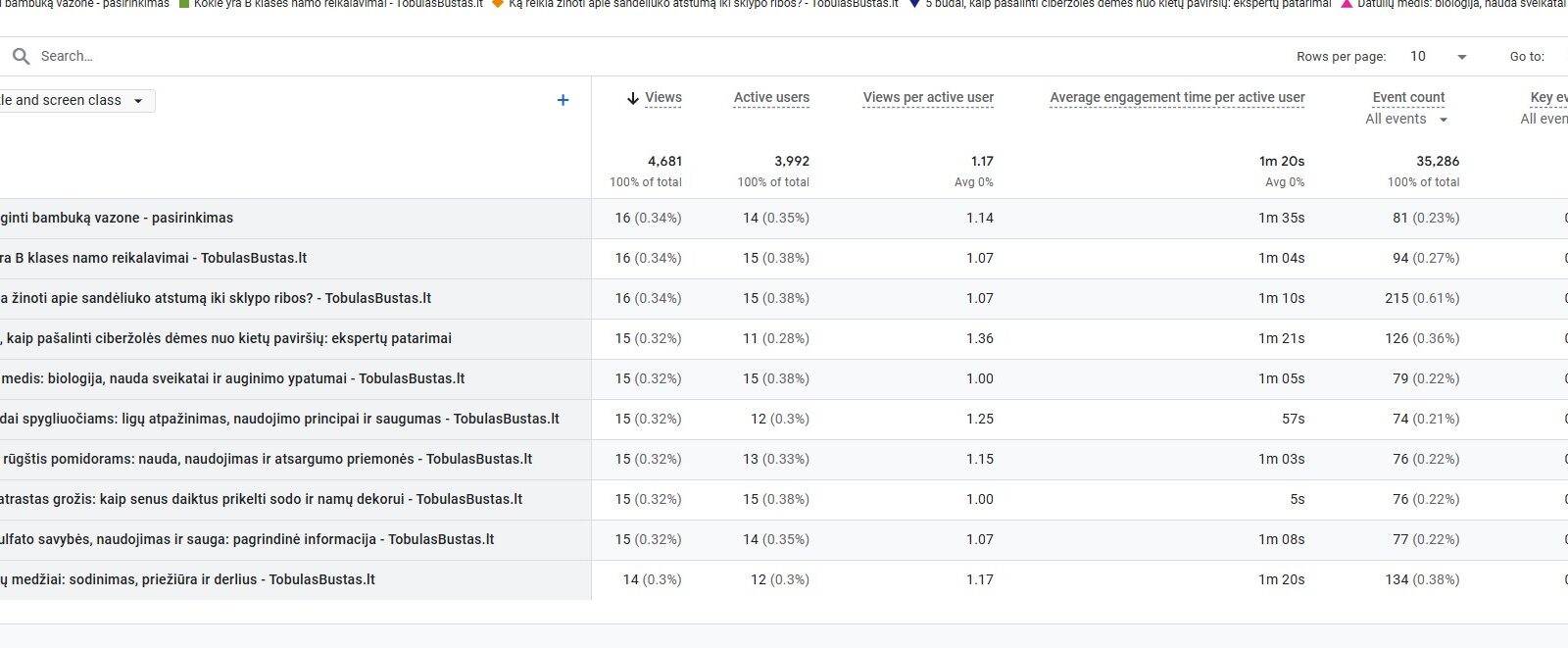
Compare appropriate pages, devices and sources rather than relying on one site-wide percentage. Analytics does not by itself reveal why someone left or whether they returned to a search engine.
E-commerce conversion rate
Define whether the rate uses purchasing sessions or purchasing users, then keep the denominator consistent. Segment by an appropriate traffic-source scope to investigate how recorded organic activity relates to purchases.
There is no universal good conversion rate. Context includes the product, price, audience, device and journey. A change should be interpreted alongside revenue, margins and traffic mix, not assessed in isolation.
If checkout abandonment is a concern, test the actual steps and investigate confusing costs, unavailable payment methods or form errors. Only show genuine trust information rather than adding unsupported badges.
Conversion optimisation involves defined changes and a suitable evaluation method. Base proposed improvements on observed problems and assess the outcome against a consistent baseline.
Engagement time
GA4 engagement time reflects time when a web page is in focus or an app is in the foreground. Review the exact metric and denominator shown in the report, especially when comparing landing pages.
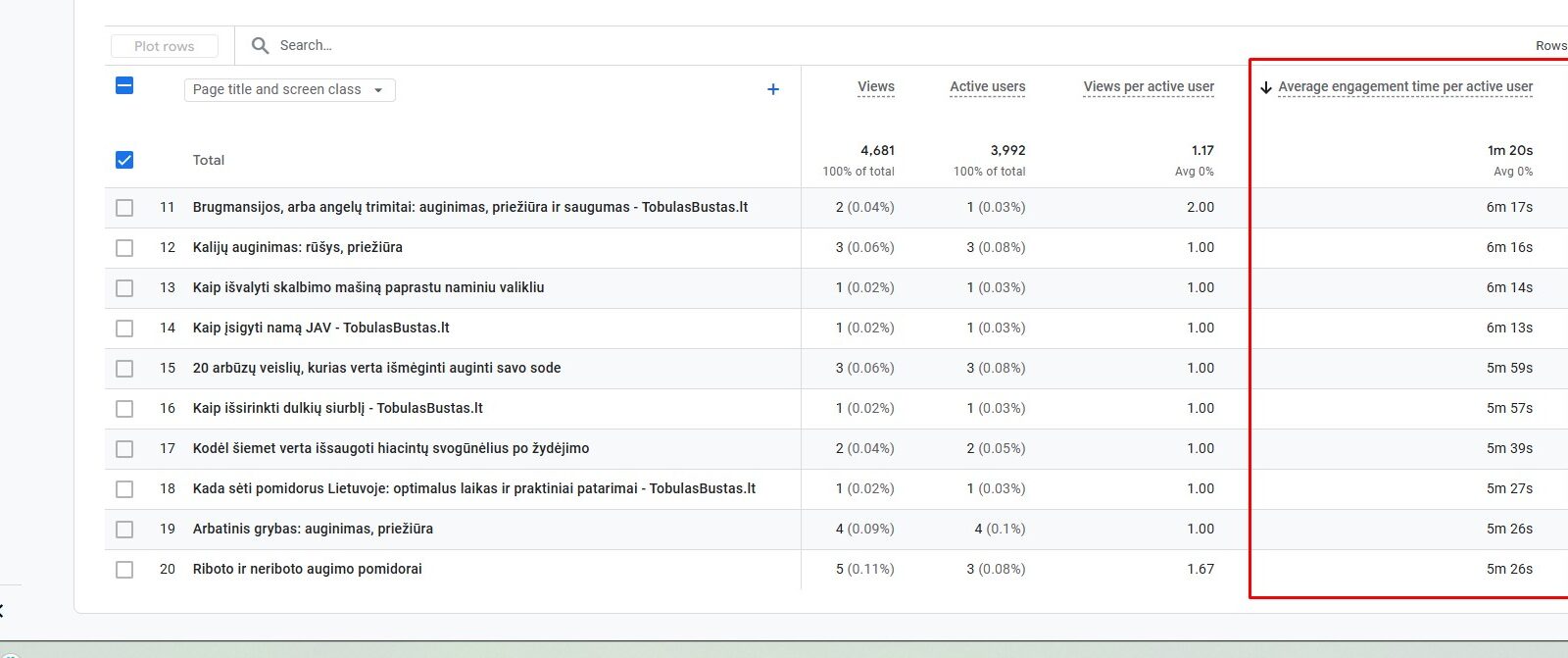
More time is not automatically better. A quick onward step may mean the visitor found what they needed, while a long visit may reflect careful reading or difficulty. Interpret duration alongside the task and recorded actions.
Recorded actions and key events
Configure the actions relevant to the business, such as confirmed purchases or successful form submissions. A button click, time threshold and qualified enquiry are different measures and should not be presented as equivalent results.
Some actions need custom technical implementation. Define what constitutes successful completion and test that the event fires once under the intended conditions.
Review recorded outcomes by source and page using a consistent scope. For lead generation, connect analytics with a suitable client or CRM record where available so that form events remain distinct from genuine, qualified enquiries.
Organic traffic's share of all visits
The share indicates how much recorded traffic is attributed to organic search. A larger share is not universally better: it may reflect growth in search or a decline in other channels.
Review both the absolute values and the mix. A lower organic share may simply follow an increase in paid campaigns. Assess whether the channel contributes usefully rather than trying to maximise the percentage itself.
Pages viewed per session
The number of page views describes browsing depth, not satisfaction by itself. A useful site should help someone complete a task, which may require one page or several.
Segment the measure where useful and investigate unexpected patterns. Low depth might reflect an efficient answer, irrelevant traffic or a barrier; the number alone cannot tell you which.
New and returning users
Returning-user measures can help investigate repeat usage, but identification depends on the analytics setup and available identifiers. Not every business expects frequent repeat visits or purchases.
Assess returning users in the context of the buying cycle. Use appropriate retention or CRM data before equating a browser-based return visit with loyalty or repeat revenue.
Changes in the mix of new and returning users need context alongside the absolute numbers and commercial outcomes.
Crawling issues
Technical barriers can affect whether search engines reach and process important pages. Investigate access, status codes and indexing signals where visibility changes suggest a problem.
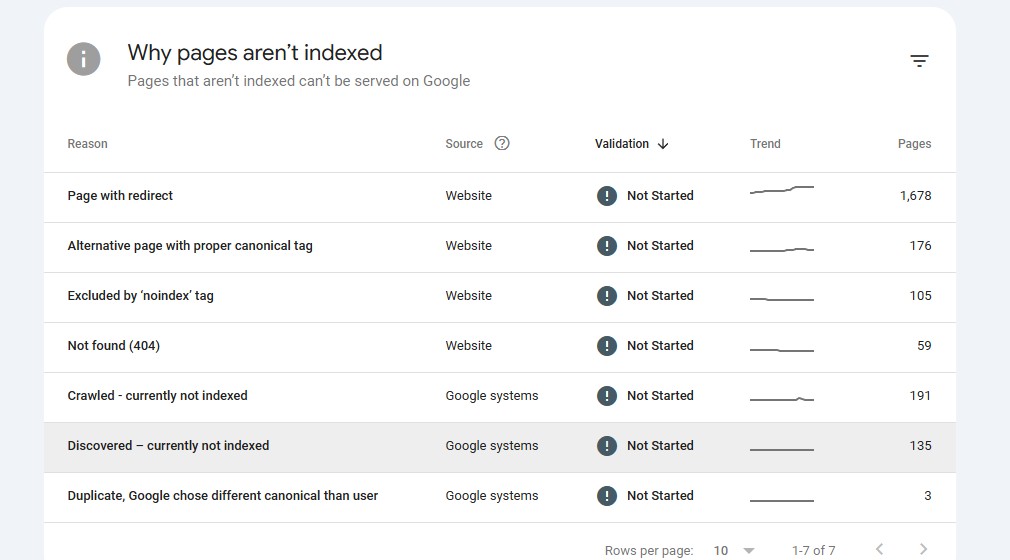
Search Console provides diagnostic information, but a count of excluded URLs is not automatically a list of urgent errors. Distinguish deliberately removed or unindexed pages from unintended barriers affecting important content.
Traffic by device
Review the devices your actual audience uses instead of applying a generic market average.
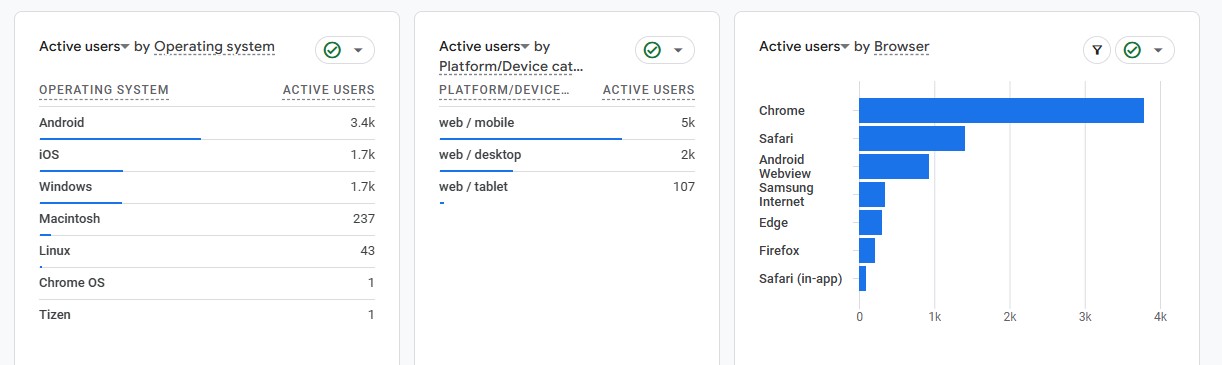
Compare relevant mobile, tablet and desktop journeys, including important browsers or operating systems. Prioritise issues by impact while retaining a usable experience across supported devices.
Even if the target audience mostly uses desktop computers, mobile access still matters. Google uses mobile content for indexing, and visitors may switch devices during a decision.
Call measurement
If telephone enquiries are important, form reporting alone will give an incomplete view of the business's responses. Decide what call-related data can be collected accurately and appropriately.
A telephone-link click does not prove that a call occurred. Suitable call-tracking systems may associate actual calls with sources or campaigns, depending on configuration, but they do not reveal every caller's organic search query. Account for privacy and recording requirements where applicable.
In many B2B projects, a conversation influences the sale. A suitable client or CRM record can help distinguish calls from qualified opportunities and completed business.
Keyword tracking
Other measures describe the wider search landscape rather than activity on the website itself. Keyword research can start with Keyword Planner as one source of query ideas and demand estimates. Its advertising data should not be confused with organic ranking difficulty.
A suitable rank-tracking service can monitor a defined set of relevant queries under consistent market and device settings. Review changes alongside actual search performance and the results page.
Search demand
Assess whether target queries reflect real needs. Tool estimates can miss low-volume searches, so a reported zero is not absolute proof that nobody searches for a term.
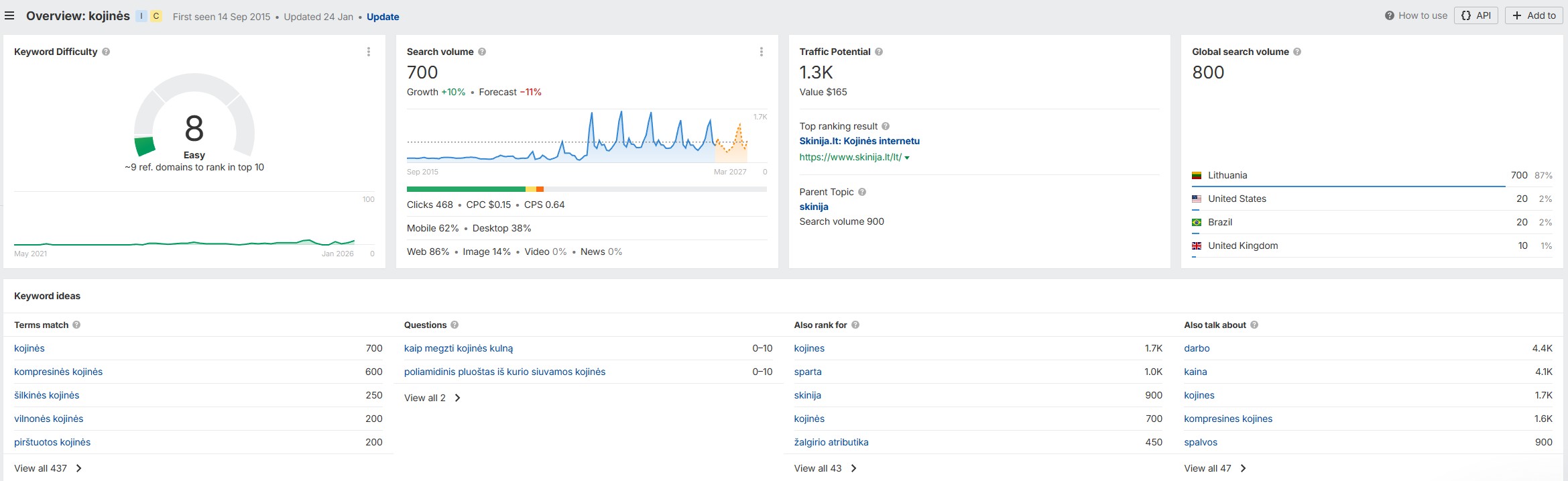
Do not prioritise volume alone. Product margins, enquiry quality, competition and the ability to serve the demand may make a lower-volume query more valuable.
Query relevance and intent
Investigate whether a query fits the audience and whether the expected result is informational, comparative or transactional.
A query about a free resource differs from an immediate purchase search, but informational material can still have a useful role. Define that role rather than dismissing every non-commercial query.
The number of visible queries
Tracking a consistent relevant query set can help assess coverage. Group positions or query types where useful, but remember that the count depends on the tool, database and selected terms.
More visible queries do not automatically mean more valuable visits. Review demand, relevance and which URLs appear, particularly when a growing count is driven by unrelated subjects.
Monitoring backlinks
Alongside analytics and query research, review the backlinks profile to understand relevant references and potential issues.
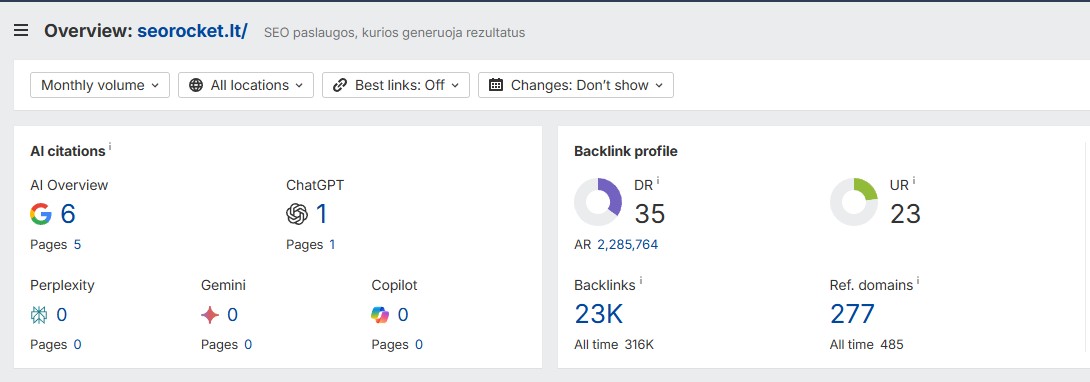
Backlink services crawl parts of the web and report links they discover. They can show source pages, destinations and attributes, but no single tool supplies a complete and permanently current inventory. Enter a domain to investigate the available data and verify important placements directly.
Links are one part of search evaluation and also matter as useful references or referral routes. New links do not by themselves prove content quality or a causal ranking improvement.
16. Referring domains
Count distinct linking domains as a descriptive measure, then assess their relevance and context. More domains are not automatically better if the references are low quality or irrelevant.
17. Source quality
Assess the source's actual content, editorial context and audience. Third-party authority scores and domain age do not provide a universal Google measure of the link's value.
18. Topical relevance
A related source may provide a more useful reference for readers. Consider why the link belongs in its context rather than assuming every thematically similar domain passes a fixed amount of value.
19. Linking-page quality
Inspect the specific page, not just the domain. Check whether the content is useful, the reference is visible and the destination is relevant. A prominent domain does not make every placement worthwhile.
20. Anchor text
Anchor text is the visible wording of a link. It should help readers understand the destination, with the surrounding sentence providing further context.
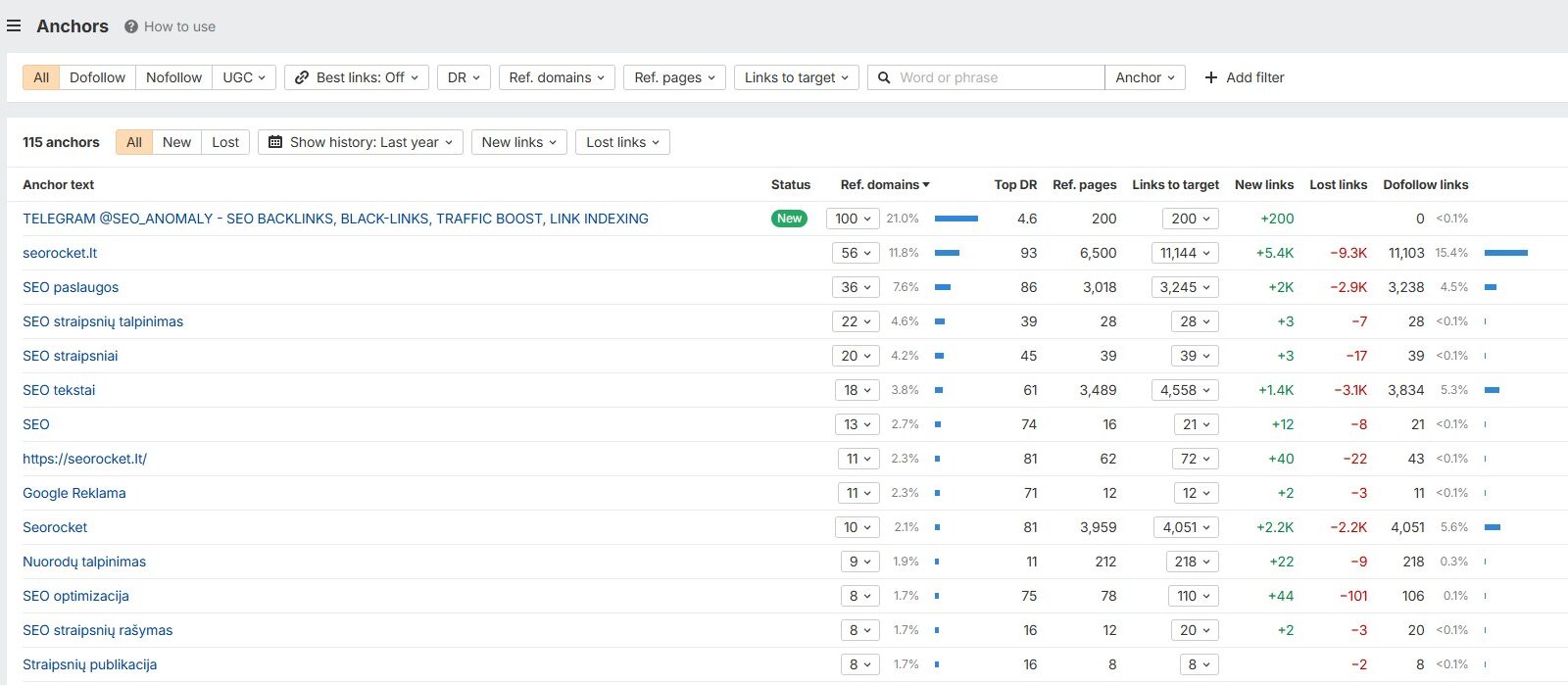
Natural references may use a brand name, a URL address or a descriptive phrase. Repeated commercially optimised anchors can merit investigation, but there is no universal ideal percentage for each category.
Compare actual placements and the reasons behind them. Do not diagnose a penalty or declare a profile safe from anchor ratios alone.
When contributing material, write links that make sense to the reader. Avoid manufacturing a predetermined distribution of brand, generic and exact-match anchors or buying links to manipulate rankings.