A target audience is the group a particular product, service or communication is intended to reach. Define it through relevant needs, behaviours and circumstances rather than demographics alone. A useful definition helps direct the budget and evaluate conversion outcomes.
For a hypothetical luxury fashion campaign, the audience might be financially comfortable women aged 30–45 interested in premium products. That is a teaching example, not a universal profile of fashion customers.
Target audience and target market
The target market is the broader group the business aims to serve. A target audience is the more specific group addressed by a particular campaign or message.
For example, one luxury fashion campaign may address wearers and another people buying gifts. Their information needs and reasons to buy can differ.
Why define a target audience?
An audience definition helps connect an offer with people whose needs it can meet. It is a hypothesis to verify, not proof that everyone in the group will buy.
A narrower audience’s advertising are not automatically cheaper. Cost depends on competition, available reach, objective and delivery settings.
Audience research can inform:
- Copywriting. How should the offer be explained to support a useful next step?
- Content marketing. Which articles, videos or podcasts answer questions the audience actually has?
- Email marketing. Which messages are relevant, credible and appropriate for a campaign?
- Social media planning. Which platforms deserve attention?
- Paid social. Which eligible audiences and creative should be tested?
- Pay-per-click advertising. Which targeting options and budget allocation fit the objective?
- Search engine optimisation (SEO). Which terms and questions does the audience use?
Understand the audience before committing to a campaign, then refine the assumptions with evidence.
Examples of audience groups
| Audience group | Description | Possible approach |
|---|---|---|
| Location-based audience | People in a relevant area, from a country to a specific service location. | • Localise useful information • Review local SEO |
| Early adopters | People willing to try a relevant new product or service. | • Explain the practical innovation • Offer appropriate trials or demonstrations • Support a useful community |
| Customers considering alternatives | People currently using another solution who have a reason to compare options. | • Provide fair comparison guides • Check platform and trademark requirements before competitor-term campaigns |
| Relevant creators and commentators | People whose publications reach the intended community, such as specialist writers or podcast hosts. | • Create useful material to reference • Propose relevant collaborations • Agree transparent commercial terms |
| Existing customers | People who have already bought a product or service. | • Offer relevant support or loyalty benefits • Use appropriately permissioned communication |
Ways to segment a market
| Segmentation basis | Description |
|---|---|
| Demographics | Age, household circumstances or income may affect a need, but avoid treating broad attributes as a substitute for research. |
| Behaviour | Investigate how people research, compare and use the product, including relevant online and offline activity. |
| Interests | Relevant interests can inform a message, but stated or inferred interests need validation. |
| Readiness to buy | Someone exploring a problem needs different information from someone comparing final offers. |
| Values | Understand how price, quality or sustainability affect the actual decision. |
| Goals | People’s goals can help explain which outcomes matter to them. |
| Challenges | Research the obstacles the audience is trying to overcome. |
| Existing knowledge | Adjust explanations to what people already understand about the problem or product. |
Target audience examples
The following hypothetical examples retain the Lithuanian market context. They illustrate the difference between a market, a campaign audience and a fictional persona; they are not research findings or client cases.
Target market: music listeners
Example audience: Lithuanian students aged 18–24 who listen to background music or podcasts while studying.
Fictional persona: Mantas studies information technology in Kaunas and often works in a library or coworking space. He chooses lo-fi, electronic or ambient music to concentrate and listens through wireless headphones while using a laptop.
Ideas to test: appropriate student discounts, study-playlist pages and content in app stores.
Target market: content creators
Example audience: Emerging Lithuanian musicians or podcast creators who regularly publish online.
Fictional persona: Gabija makes indie-pop music in Vilnius, records in a home studio and performs at smaller events. She wants to reach listeners in the Baltic countries and learn about distribution and audience analytics.
Possible marketing approaches: educational creator events, practical distribution videos and useful articles about audience development.
Target market: advertisers
Example audience: Medium-sized Lithuanian businesses serving younger urban customers and able to fund a defined advertising programme.
Fictional persona: Rasa runs a healthy-food subscription service for active city residents. She already uses social advertising and wants to investigate other ways to reach suitable customers interested in sport, wellbeing and technology.
Possible marketing approaches: practical strategy webinars, relevant market research and transparent campaign analyses.
How to identify your audience
Combine several research methods to build a more reliable picture.
1. Review your website data
Your own analytics can show how recorded visitors use the site, but those visitors are not the whole potential market. Combine the data with customer and market research, and account for collection limitations.
One source is Google Analytics 4. In the user attributes reports you may find location, language and available demographic information. The navigation depends on the property’s report configuration.
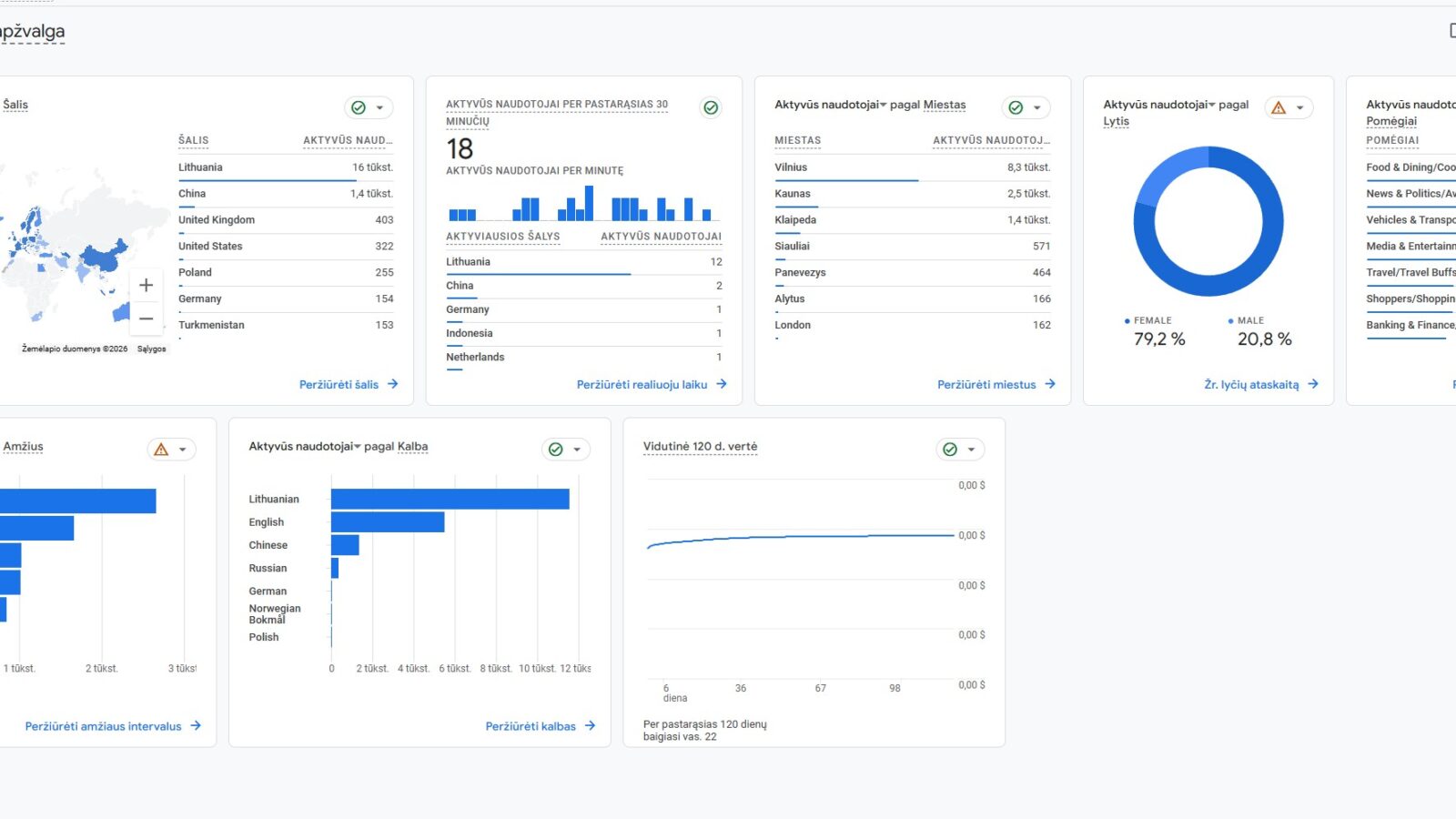
Depending on collection, permissions and thresholds, reports may include:
- recorded users by country or city;
- available age and gender categories;
- browser language;
- available interest categories;
- device and interaction information in relevant reports.
Interpret these fields carefully: location can be approximate, demographic coverage incomplete and browser language different from a person’s preferred service language. Mobile usage can justify mobile testing; it does not by itself establish a local SEO opportunity.
Record useful observations alongside their limitations in the audience brief, then test decisions against actual outcomes.
2. Review social-platform data
Available platform reports can describe followers, viewers or people reached. Check which population each report represents.
Interest in a post does not automatically mean interest in buying. Compare content engagement with relevant enquiries or sales where possible.
3. Speak with potential customers
Interviews can reveal goals, decision criteria and obstacles that analytics does not explain. Recruit people relevant to the research question and avoid leading them towards a preferred answer.
Approaches include:
- Structured interviews with a consistent set of prepared questions;
- More open interviews that allow relevant follow-up and unexpected detail.
Interviews can take place in person or remotely. Obtain appropriate permission to record or retain information.
Possible questions include:
- What difficulties have you experienced when using X?
- What matters most when you choose X?
- What outcome are you trying to achieve?
- Where do you look for information about this decision?
4. Use appropriate surveys
Surveys can collect consistent feedback from more people, but the sample and question design determine how the results can be interpreted.
Social polls can provide a quick response from participating users, not a representative view of the entire market.
For example, a poll can identify questions worth exploring about a new product, with follow-up research needed before a major decision.
How to reach the audience
Once the audience is defined, choose channels that can reach it usefully. Match the content, cost and measurement to the decision being supported.
1. Organic search
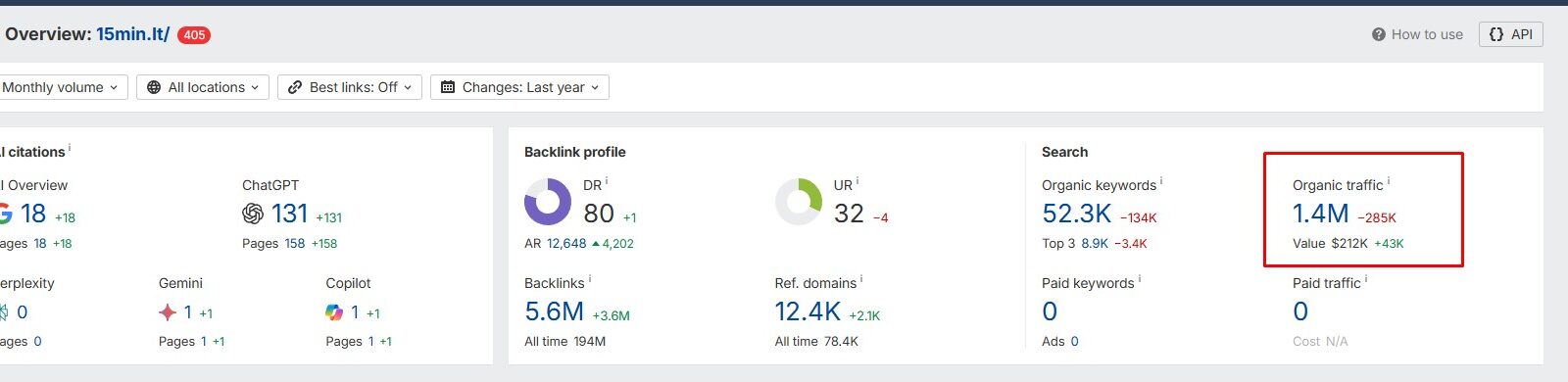
Organic results can connect useful pages with relevant queries without a charge for each click. Research, content, development and maintenance still have costs.
Plan suitable SEO strategywork: research demand, improve useful pages, address technical barriers and seek appropriate external visibility.
Advantages:
- potential for sustained relevant traffic;
- support for different decision stages;
- additional discovery opportunities;
- no charge for each organic click;
Drawbacks:
- uncertain timing and outcomes;
- potentially strong competition;
- ongoing work needed for useful, competitive pages.
2. Social content
Social platforms can support conversation, explanation and discovery. Choose material suited to the audience and context rather than assuming every follower wants a sales message.
Define the purpose, content plan and response responsibilities.
Advantages:
- direct interaction with interested people;
- an additional support channel;
- potential reach beyond existing customers;
- opportunities to maintain relationships;
Drawbacks:
- time needed to build a relevant audience;
- variable organic distribution;
- moderation and feedback responsibilities.
3. YouTube video
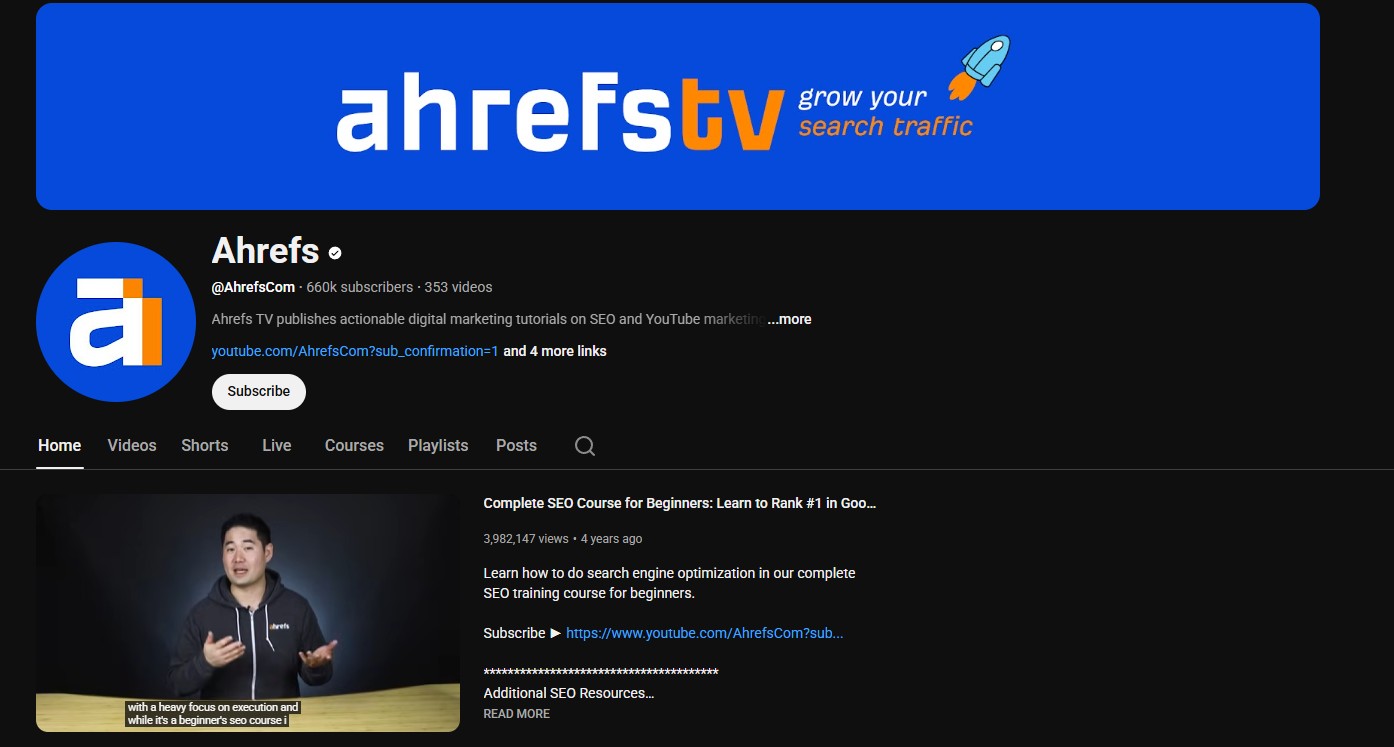
Video can demonstrate a process, explain a product or discuss a specialist question. Use it where seeing or hearing the explanation helps.
Adapt suitable material for other channels when rights, format and context allow it.
Advantages:
- visual demonstrations and explanations;
- opportunities to reuse appropriate material;
- potential discovery beyond existing followers;
Drawbacks:
- production and maintenance resources;
- uncertain audience growth.
4. Creator partnerships
Relevant creators can introduce an offer to their audience. Agree the deliverables, disclosure, permissions and reporting rather than assuming follower trust transfers automatically to a sponsor.
Advantages:
- a familiar voice for the audience;
- access to a relevant community;
Drawbacks:
- creator and usage-rights costs;
- limits to attribution;
- reputational risks from an unsuitable partnership.
5. Affiliate and referral programmes
Affiliates receive an agreed commission for qualifying outcomes. The programme can still involve setup, platform, management and fraud-control costs, so it is not automatically free before a sale.
Advantages:
- commission linked to an agreed qualifying outcome;
- access to relevant publisher audiences;
Drawbacks:
- limited control over external content;
- partner-quality and brand-protection requirements.
6. Podcasts
A business can publish its own podcast, sponsor a suitable programme or contribute as a guest. Choose based on audience relevance and the work required.
Advantages:
- introducing the business to relevant listeners;
- explaining genuine specialist knowledge;
- developing familiarity through useful discussion;
Drawbacks:
- measurement limitations;
- a need to check editorial and brand fit;
- time required to establish a new programme.
7. Email marketing
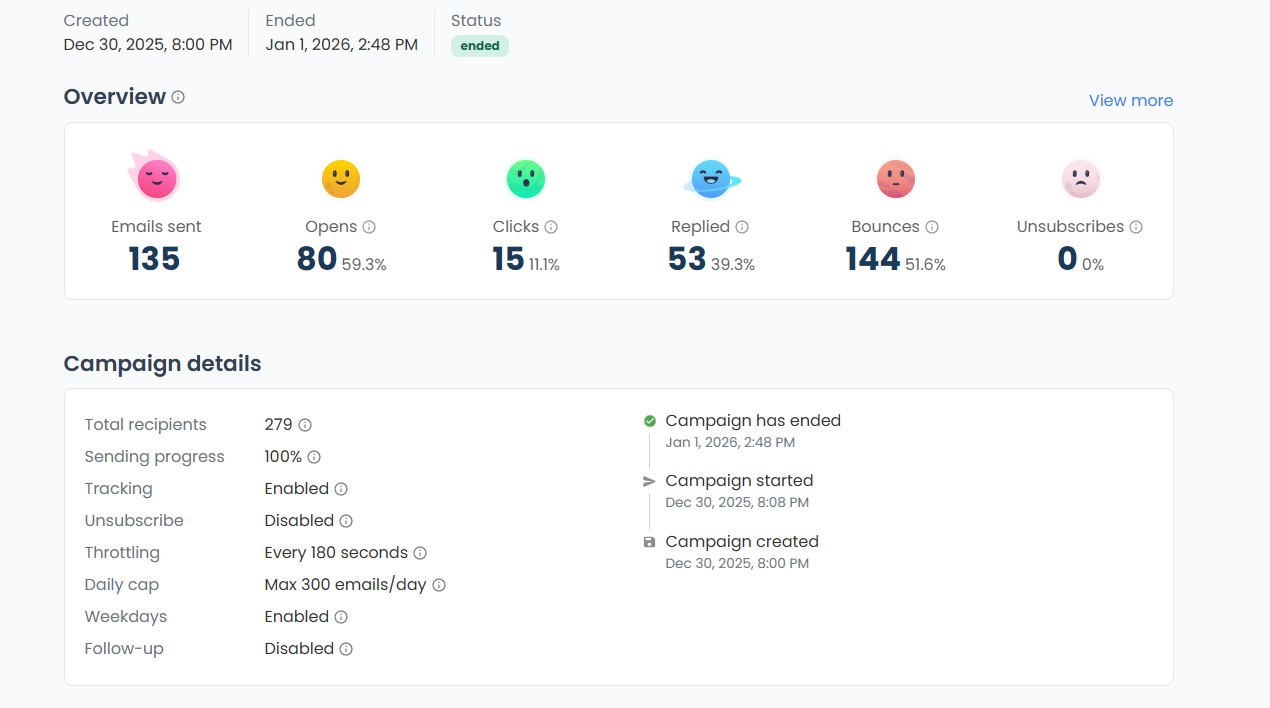
Email can reach appropriately permissioned contacts with relevant information. Build a suitable subscription process and offer what the recipient actually wants to receive.
Advantages:
- relevant segmentation;
- scheduled distribution to eligible contacts;
- reporting with delivery and privacy limitations;
Drawbacks:
- time needed to build and maintain the list;
- permission, privacy and opt-out requirements.
8. Paid online advertising
Paid campaigns can reach eligible audiences through search, social and other placements. Select the objective and measurement before judging effectiveness.
Advantages:
- options for different decision stages;
- available targeting and automated delivery controls;
- measurable recorded outcomes, with attribution limits;
- ways to test and adjust spending;
Drawbacks:
- media and operating costs;
- auction competition;
- creative fatigue and excessive repetition.