SEO can help grow relevant website traffic and online visibility. Yet work does not always produce the expected return, and organic traffic may stagnate. If search performance has stalled, investigate the causes rather than assuming that more activity alone will solve the problem. Here are five reasons an SEO strategy may fall short of expectations, with ways to address them.
1. Expecting results too quickly
SEO is not an instant solution. Unlike paid advertising, which can bring visitors shortly after a campaign starts, organic improvements usually take time to assess. Search engines need to discover, crawl and process changes. Clearer performance trends may take weeks or months to emerge, depending on the website and the work.
What to do: Maintain useful, accurate content and review keyword priorities. Build relevant relationships and earn editorial links where appropriate. Monitor progress withGoogle AnalyticsandGoogle Search Console, looking at comparable periods and longer-term patterns rather than reacting to every fluctuation.
2. Keywords do not match the audience
Weak results may indicate that keywords are too broad, too competitive or poorly aligned with the searcher's task. Ranking for an unsuitable phrase does not necessarily bring valuable traffic or conversions.
What to do: Carry out keyword research using appropriate tools, such as Google Keyword Planner or Semrush. Explore specific queries that describe your audience's needs, and check whether the intent is informational or commercial. Match the page's format and message to that task.
3. Technical SEO problems
Technical problems can limit the value of good content. Slow loading, broken links, confusing duplication or poor mobile usability can make a website harder to crawl or use. The significance of each issue depends on its actual effect.
What to do: Carry out a technical SEO audit and prioritise the problems found. Aim for an accessible, clear website that works on different devices. Fix broken links, review URL consistency and use relevant structured data to describe eligible content.
4. A lack of relevant editorial backlinks
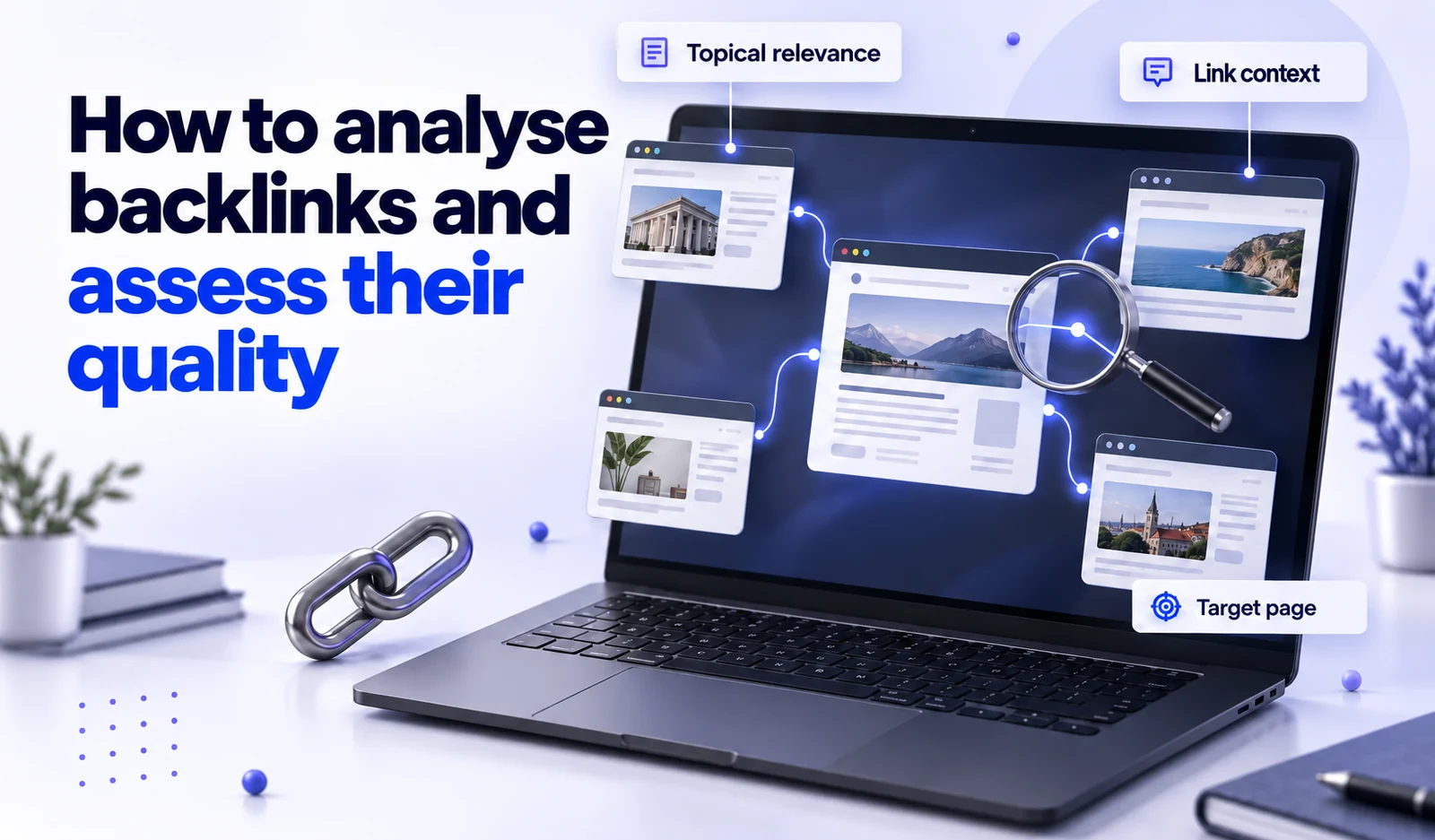
Link building can help establish relationships between pages and sources. Relevant editorial links may help a website compete, but raw counts or authority scores do not establish that more links are needed. Manipulative link schemes can create risks.
What to do: Earn links from credible, relevant websites through original contributions, useful resources and appropriate media relationships. Do not buy links intended to manipulate rankings. Paid placements need suitable link qualification.
5. Content does not meet search needs
Well-written content may still fail to meet the searcher's needs. Common issues include shallow answers, misleading metadata, weak internal linking or an unclear page hierarchy.
What to do: Use relevant language naturally, write clear titles and descriptions, and organise headings and examples so the answer is easy to follow. Internal links should help visitors discover related information and make the website's structure understandable.