The total website development cost depends on the actual scope. A useful proposal separates domain registration, hosting, design, implementation, content and any ongoing work. A simple information website and a shop with integrations are different projects, so an unsupported universal “average” can be misleading.
The main website cost areas
The following areas help compare proposals and identify charges that may sit outside the initial build.
- Domain registration and renewal
A domain is the readable name used for the website and other services. Check the registrar’s initial and renewal price, any premium classification, transfer conditions and VAT. An introductory offer may be lower than the ongoing cost.
- Website hosting
Hosting provides the infrastructure needed € to serve the website. € Compare capacity, support, backups, security responsibilities and renewal terms. Shared hosting may suit some small sites, while others need a different setup; the lowest advertised price does not describe the full service.
- TLS certificates and HTTPS
HTTPS protects the connection in transit; it does not secure every aspect of the application. Certificates may be provided without a separate fee or included in hosting, but configuration, renewal and maintenance still need an owner.
- Design
Clarify whether the work adapts a template or develops a more individual design, which page types are included and how mobile layouts and revisions are handled.
- Pages and content
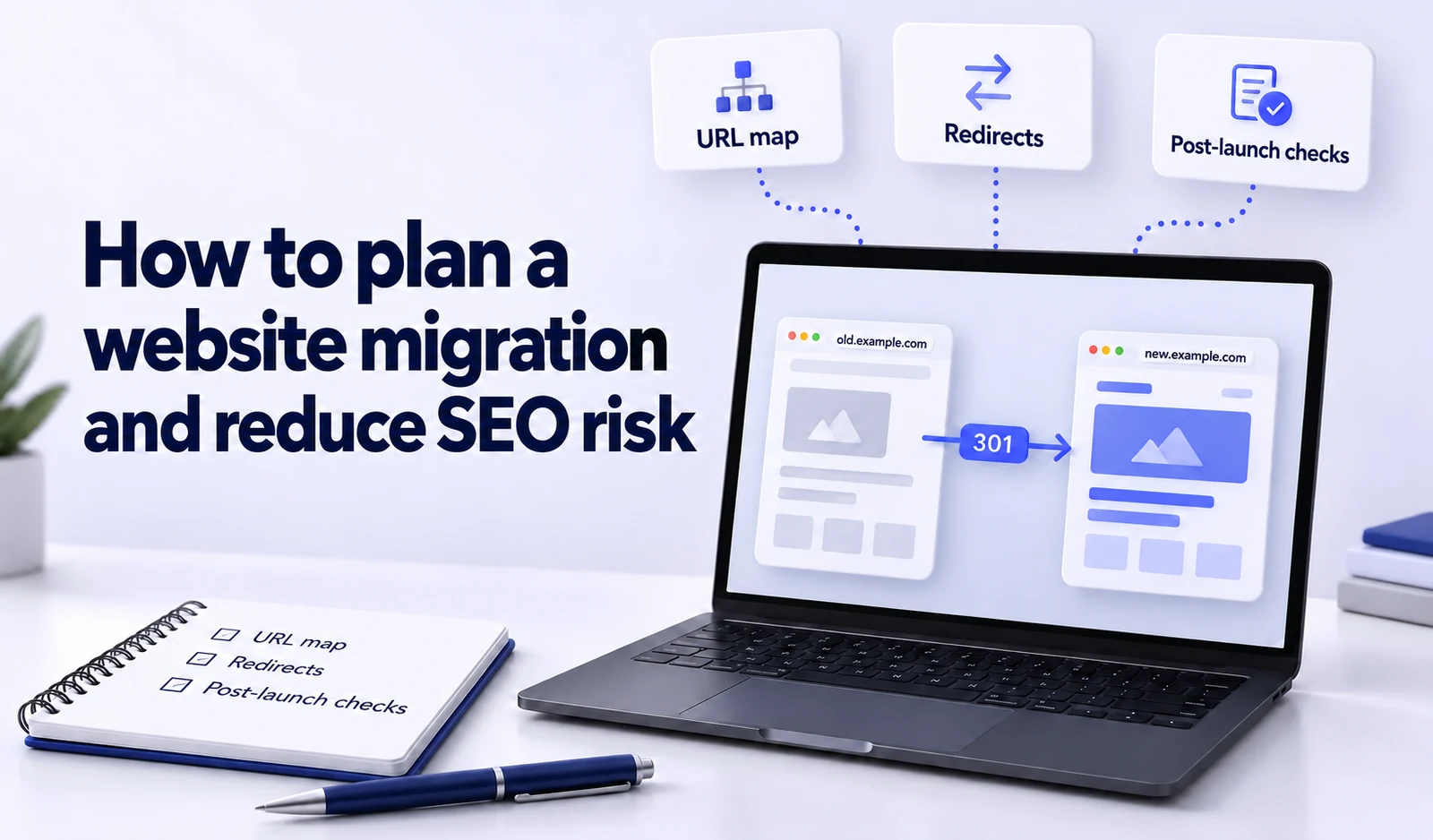
The workload depends on page types, content readiness, migration and repeated templates, not just the number of URLs. Ask who prepares copy and images.
- Functionality
Payments, booking, stock synchronisation and other integrations can change the scope substantially. Include testing, third-party charges and ongoing maintenance.
- Content management system and editing workflow
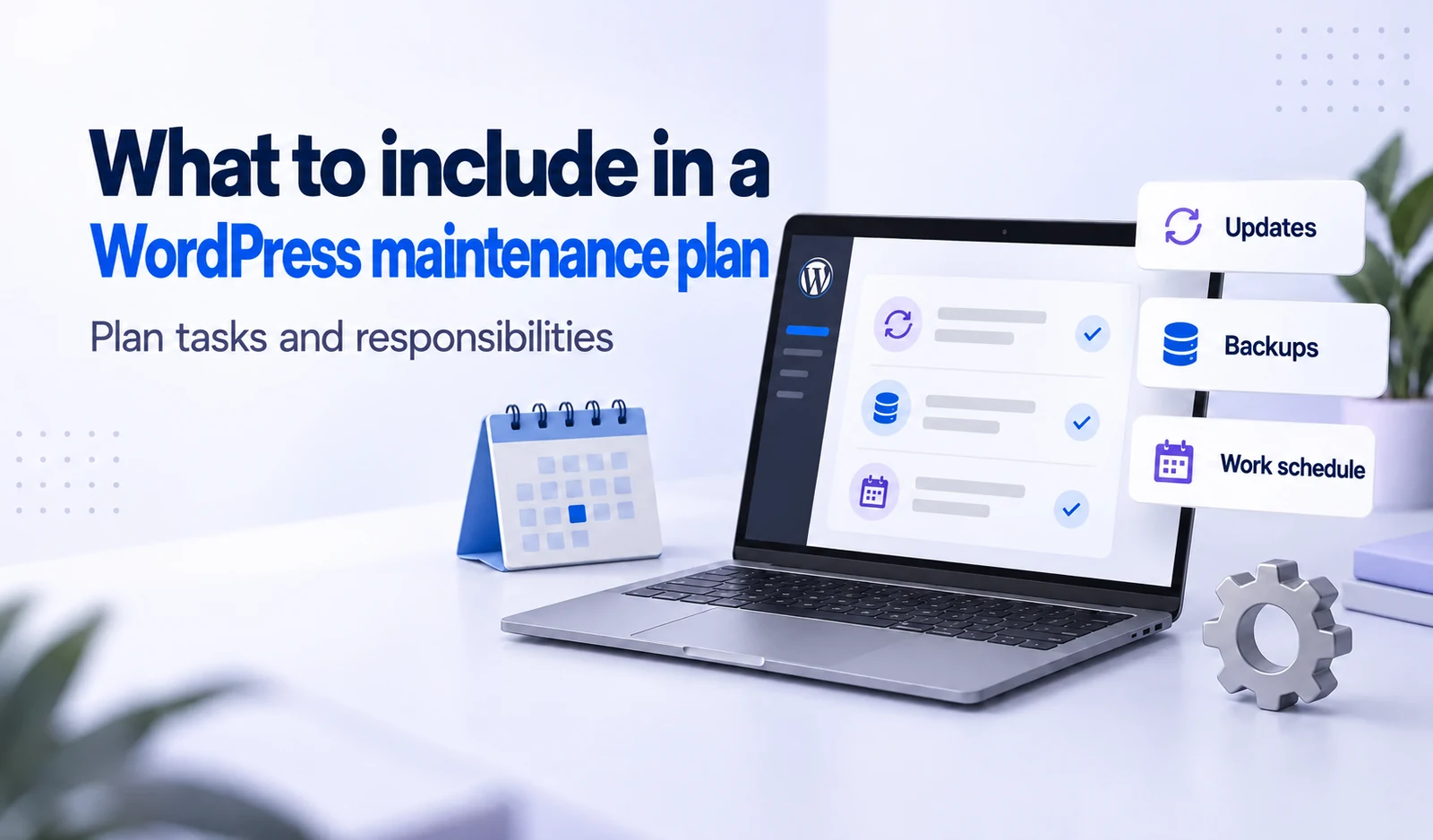
A CMS such as WordPresscan support editing, but it is not required for every website. Compare licensing, setup, customisation, access, training and maintenance rather than confuse free software with a free implementation.
Additional costs to include
Other areas to consider include:
- Plugins and integrations: forms, tables and other features may have licence, usage or maintenance costs.
- Design support: if the project needs skills not available internally, include the cost of hiring a designer or suitable team.
- SEO: Include the agreed technical and content work in the SEO strategy.
Why a small business may need a website
A website can help potential customers assess the business and find an appropriate next step. Its value depends on the audience and offer, rather than an unverified percentage of people who research online.
1. Being discoverable
Useful pages can help people find relevant products, services and information. Discoverability still requires appropriate content, access and promotion.
2. Helping people assess the business
Clear service information, genuine feedback and accurate contact details support a decision. Do not invent awards or testimonials to fill the design.
3. Supporting enquiries or sales
A website can provide a practical route to buy, book or enquire where those functions are implemented. Measure the actual outcome alongside the build and operating costs.