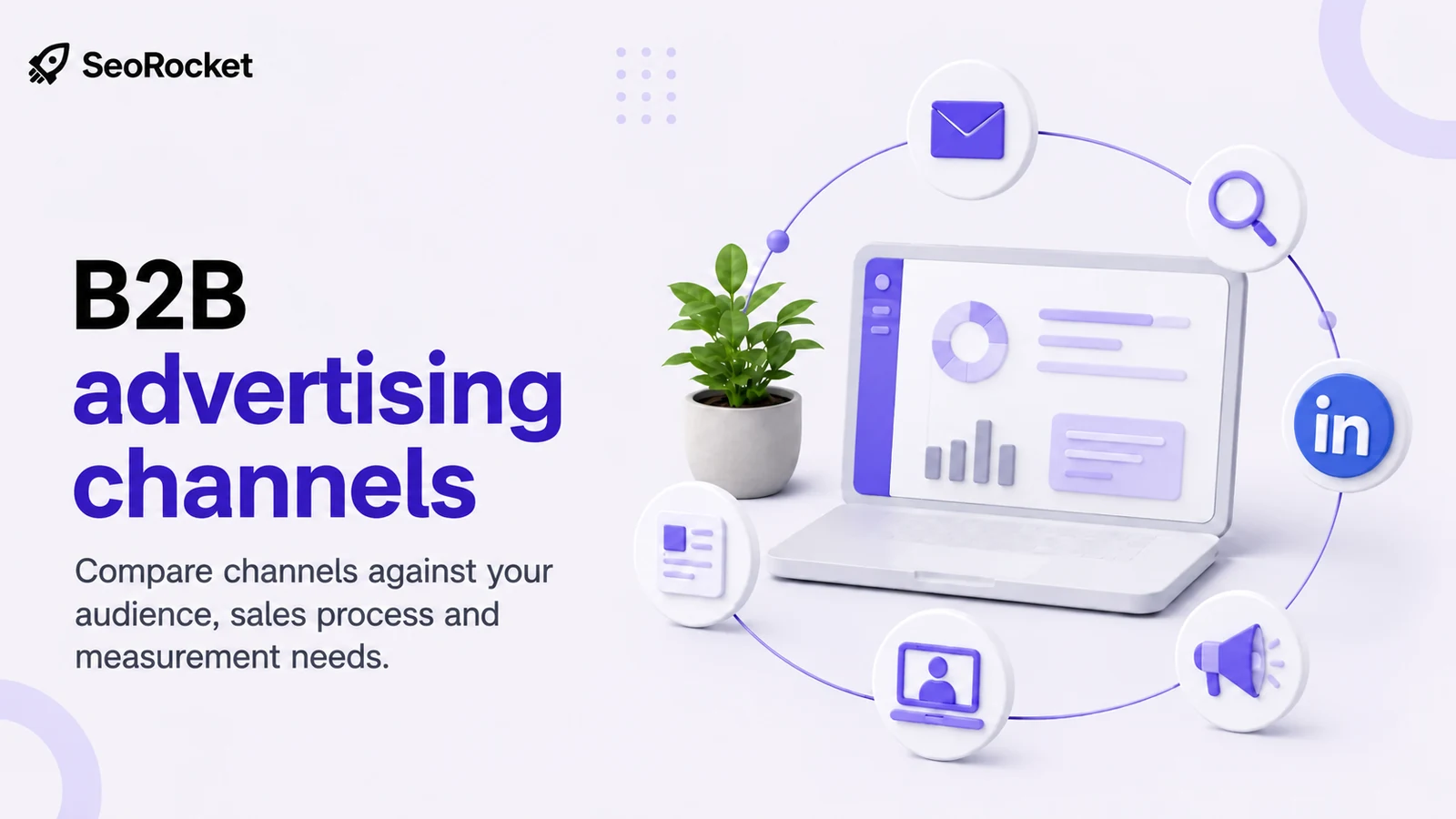
A small business needs to choose where to invest its limited time and budget. Start with the audience, the offer and the outcome you can measure, then compare suitable channels.
The following seven approaches provide a starting point for deciding how to promote a small business online and offline.
1. Media relations
Media relations means helping journalists and publishers understand a genuinely relevant story about the business. Editorial coverage differs from paid placement: the publisher decides what deserves publication.
A new contract, useful product, local milestone or well-supported observation may provide a story. Explain why it matters to the publication’s readers rather than relying on the fact that the business considers it important.
What can media relations achieve?
Coverage in a relevant publication can reach your target audience. An engineering business might approach a specialist title; a local café may find a regional publication more appropriate.
A useful story can introduce the business and explain its work or values. Evaluate the relevance and quality of the coverage, not exposure alone.
Should you use a PR agency?
You can approach a journalist directly. A specialist agency may help if research, preparation and outreach need more time or expertise. Depending on the agreed scope, it can:
- identify credible stories and relevant journalists;
- advise on suitable publications and a clear pitch;
- prepare supporting information or content.
No agency can guarantee independent editorial coverage. Ask how it assesses relevance, what work is included and how results will be reported.
2. Social media
Social channels can help people discover and evaluate the business when the content suits the platform and audience.
Use social media to maintain contact with people who already know the brand and introduce it to relevant new audiences. Choose platforms using customer evidence rather than a general popularity claim.
What are your business goals?
Before planning a social media marketing campaign, decide whether the priority is awareness, website visits, qualified enquiries, sales or another concrete outcome.
Identify who the intended audience is, where they spend time and which information helps them. Do not assume every business needs the same set of accounts.
What should you publish?
Start with the audience’s questions and interests. Whether you use Facebook, X, Instagram or another platform, offer something worth the time it takes to view.
For a service business, a useful explanation or practical example can demonstrate expertise. For products, clear photography and relevant demonstrations help people evaluate the offer. Test video where it improves the explanation rather than adding it to every post automatically.
Allow time to answer genuine questions and respond appropriately to feedback. Publishing alone does not create a relationship.
Review platform and website data regularly. Weekly operational checks and monthly evaluation can be useful, but the right rhythm depends on activity, volume and the decisions being made.
3. Digital advertising
Digital advertising offers ways to define audiences, control spend and measure selected outcomes. Common approaches include paid search, display advertising and paid social campaigns across supported devices.
Reporting can show where budget was spent and which recorded actions followed. Attribution gaps, consent choices and offline sales still limit what the data can prove, so agree meaningful conversion definitions.
What is pay-per-click advertising?
Search campaigns can run throughGoogle Adsand other platforms. They can reach people searching for relevant topics, but query controls, targeting and conversion quality need active review. PPC is a charging model, not a guarantee of purchase intent or profit.
What is display advertising?
Display advertising uses visual placements to reach audiences on eligible sites and apps. It may support awareness, re-engagement or other goals depending on the campaign.
Review the actual inventory and controls offered by the selected platform. A network-wide reach claim does not establish how many suitable people your budget will reach or whether the placements are appropriate.
Someone viewing a display ad may not currently be looking to buy. Explain the offer clearly and consider eligible remarketing where the business has appropriate permissions and the follow-up is relevant.
What is paid social advertising?
Paid social can distribute suitable content beyond the audience reached organically. A boosted post is one option, while a structured campaign can provide different objectives, controls and measurement.
Platforms such as Facebook and Instagram offer targeting and placement options that vary by market, objective and policy category. Check the options actually available for the campaign rather than assuming every demographic or professional attribute can be targeted.
If you decide to hire an agency for digital advertising:
- ask for reporting you can understand and clear definitions of the outcomes being measured;
- budget for strategy, implementation and creative separately from media spend where applicable.
4. Print advertising
Print advertising needs a relevant publication, a clear message and a suitable format. Bigger or brighter is not automatically better.
Agree what the placement is intended to achieve and how responses can be assessed, such as a relevant landing page, code or tracked enquiry route.
What should the ad say?
Connect the headline, copy and imagery around a real customer need. Explain what the offer changes for that audience and provide a clear next step.
For example, a heating installer may care about installation requirements and product support, while a homeowner may care about comfort, running costs and disruption. The same product needs a different explanation for each decision.
Specialist creative support can help turn that brief into a consistent campaign. Agree the deliverables and usage rights so the material can be adapted appropriately across channels.
5. Direct mail
Direct mail uses physical material delivered to a chosen audience. Its relevance depends on the data, targeting and message; an unsolicited leaflet and a carefully selected business mailing are not the same proposition.
Three planning checks are useful:
- Use appropriate, accurate data. Maintain the address list and establish that its collection and use are appropriate. A purchased list does not automatically provide permission or evidence of quality.
- Make the content relevant to the recipient. Match the offer to a real need or responsibility rather than making assumptions from broad demographics alone.
- Give the reader a clear reason to respond. Use a focused message, readable design and a practical next step.
Printing and delivery add costs that email does not have. Test the response and commercial value before scaling; a physical format does not guarantee that the message will be read.
6. Search engine optimisation
SEO can help people find a business when they search for relevant information. A useful website provides the foundation, and SEO work addresses technical accessibility, individual page content and external signals (off-page SEO).
Technical SEO
Technical SEO helps important pages be discovered and processed. It is one part of SEO, not a guarantee that every eligible page will rank prominently.
Content and usefulness
Explain the products or services accurately and answer the questions people need resolved before choosing them.
Useful content principles include:
- Write for the reader’s task. If your content is confusing or incomplete, visitors may struggle to decide whether the offer is suitable.
- Give each page a clear purpose. Check the title, headings, internal links and meaningful image descriptions. They should accurately describe the information the page provides.
- Earn relevant references. Useful information can give relevant publishers a reason to link. Appropriate routes can include editorial contributions, genuine partnerships, content marketing and media relations. Avoid placements designed primarily to buy ranking credit.
7. Email marketing
Email can support a clear, timely message to an eligible audience that wants to hear from the business. Email marketing can explain a genuine seasonal offer, new service or useful update. Plan the message, permissions and outcome rather than assuming every send creates demand.
What email marketing can offer
- Controlled distribution costs. Sending can be economical, but include platform, content, data maintenance and operational costs.
- Measurement. Review clicks and relevant outcomes, while recognising privacy and attribution limits.
- Timely delivery. Messages can be scheduled around relevant events, subject to delivery and permission constraints.
- Segmentation. Adapt content to relevant groups without assuming every available data field should be used.
- Repeatable workflows. A well-maintained process can support ongoing communication, with reviews to keep it relevant.