For a B2B business, B2B research may involve several people, sources and visits before anyone contacts a supplier. Buyers might compare offers, read guidance and return to a website. Some of that activity is measurable, while consent, attribution and cross-device behaviour limit what analytics can show.
This article reviews ways to reach and inform prospective B2B customers. It includes acquisition channels, content formats and supporting disciplines such as design and CRO; those are related activities, not ten interchangeable traffic sources.
Compare these options against the audience, buying process and resources available. No combination guarantees a predictable pipeline or increased revenue.
An overview of B2B marketing options
| Channel or discipline | Purpose | Measures to consider |
|---|---|---|
| SEO | Help relevant searches lead to useful pages | Relevant organic visits, query visibility and qualified outcomes, with position and engagement interpreted in context |
| Online advertising and PPC | Reach a defined audience through paid distribution | Cost per click (CPC), click-through rate (CTR), cost and quality of relevant conversions |
| Content marketing | Explain problems and options using useful evidence | Relevant visits, use of resources and the quality of resulting enquiries |
| Website design | Make information and important actions usable | Task completion, form errors and qualified enquiries; engagement metrics are diagnostic, not objectives on their own |
| Email marketing | Maintain an appropriate direct relationship with subscribers or contacts | Clicks, relevant outcomes and unsubscribes; recorded opens have privacy-related limitations, conversion |
| Video | Demonstrate products, processes and expertise | Relevant viewing, completion where meaningful, and useful next actions |
| Social media | Reach relevant communities and share useful information | Audience relevance, meaningful interactions and qualified enquiries |
| Conversion rate optimisation | Investigate obstacles in a defined user journey | Relevant conversion rate, lead quality and value per visitor where measurement supports it |
| Webinars | Explain a subject and answer audience questions | Relevant registrations, attendance, participation and agreed follow-up outcomes |
| Podcasts | Discuss useful professional knowledge in depth | Relevant listening, retention where available and attributable audience responses |
Use these links to explore an option:
- SEO
- Online advertising and PPC
- Content marketing
- Website design
- Email marketing
- Video marketing
- Social media
- Conversion rate optimisation
- Webinars
- Podcasts
1. Search engine optimisation (SEO)
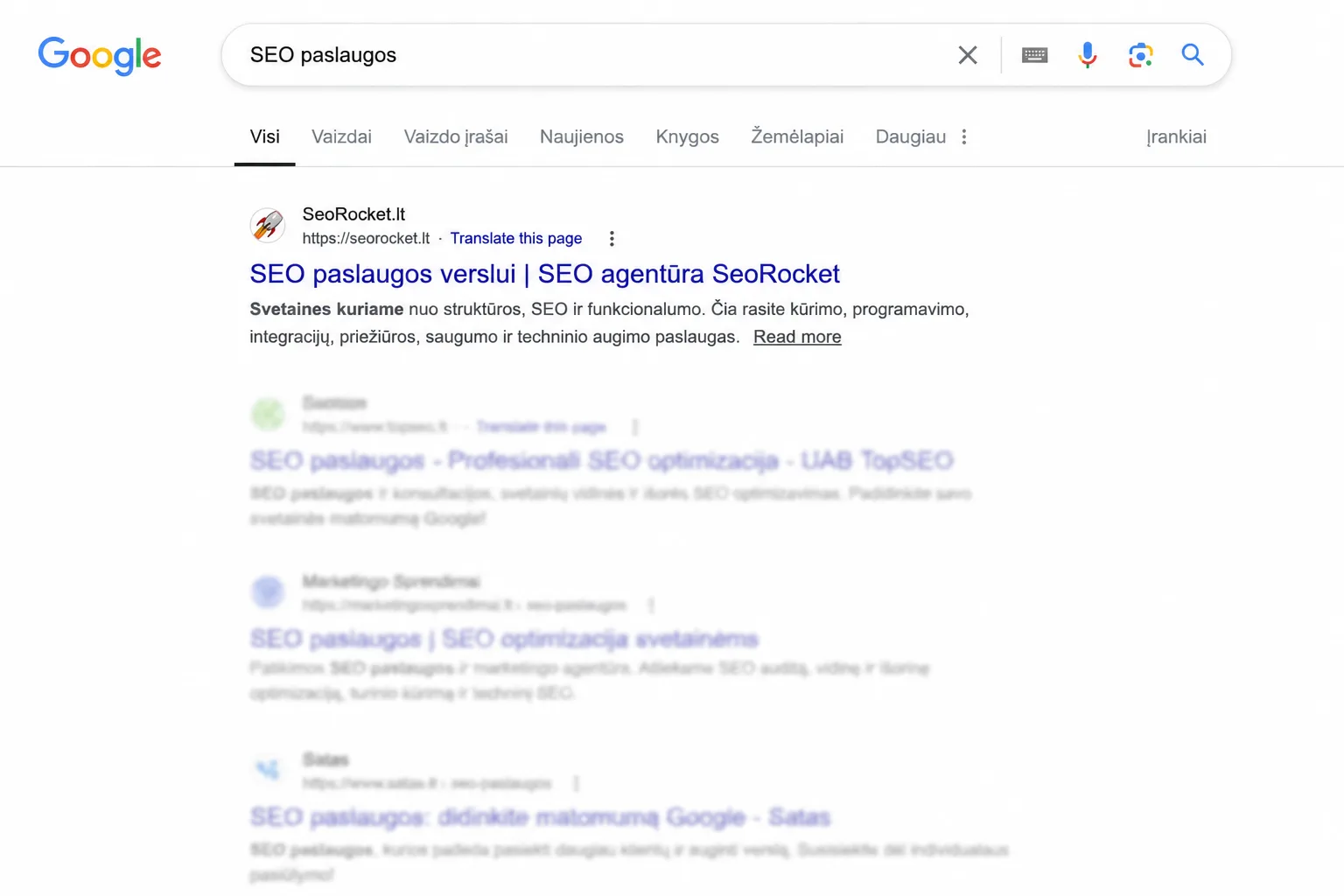
SEO aims to make suitable pages accessible and useful for relevant searches. For B2B, this might involve explaining a specialist service, comparing technical options or making product specifications easy to find.
Publish original information related to the actual offer and audience. Use descriptive titles, headings and language naturally rather than treating keyword insertion as the whole task.
Useful resources may earn references from relevant publications or partners. Assess the context and audience, and qualify paid placements appropriately. A larger backlink count does not guarantee a higher position.
How to start with SEO
- Check important pages for technical access, reliable loading and working mobile tasks.
- Plan useful content with clear responsibility for research, review and maintenance.
- Carry out keyword research and investigate specific queries where they match the offer. Longer wording does not automatically mean lower competition or greater value.
- Learn the fundamentals from reliable explanations and official documentation, then apply them to the actual site rather than following a generic checklist uncritically.
2. Online advertising and pay-per-click (PPC)
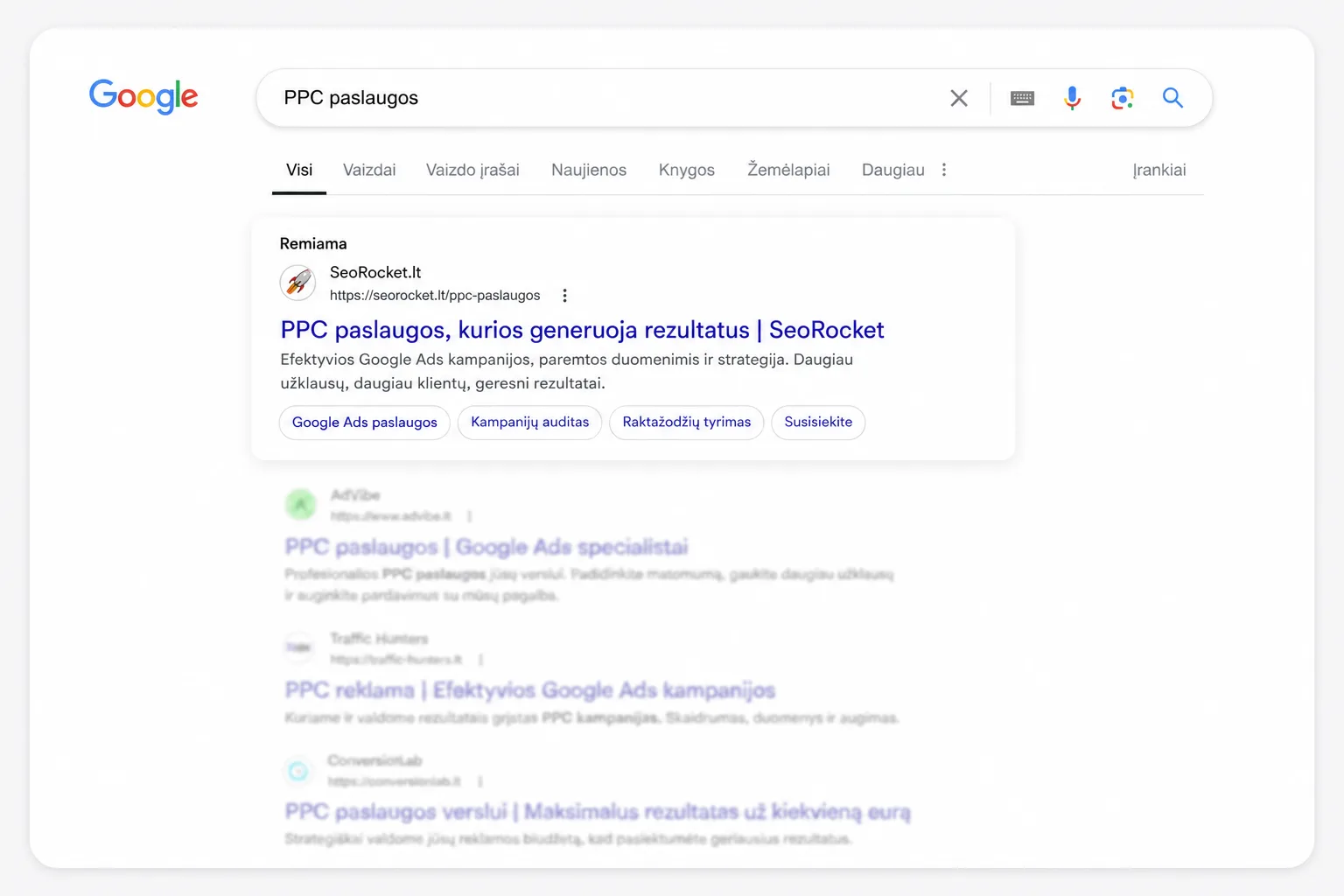
Pay-per-click, or PPC, describes an advertising model in which clicks incur a charge. Search campaigns can compete for eligible placements in search engines advertising results, subject to the platform's auction and policies.
Search campaigns can use keywords and other targeting inputs. Placement depends on more than the bid, including relevance and auction conditions. Not every campaign type uses keywords or charges on the same basis.
With CPC billing, a click incurs a charge; it does not guarantee a completed visit, qualified enquiry or sale. Review the destination experience and commercial outcome as well as the click cost.
Paid campaigns can begin serving after the necessary setup, eligibility and review, but traffic or profitable leads are not immediate guarantees. They may complement SEO where the budget and demand justify both.
How to start with online advertising
- Define the target audience and its relevant needs, professional context and decision-making roles. Do not collect or target sensitive personal characteristics simply because a platform offers detailed options.
- Research where the audience looks for solutions and which platforms fit the offer.
- Agree an affordable spending limit and a measurement plan before launching.
- Prepare clear ads with an accurate offer and a relevant destination. Use imagery where the format calls for it.
- Compare defined changes through an appropriate experiment when the sample and setup allow a useful conclusion.
3. Content marketing
Content marketing can explain a business's expertise through articles, guides, comparisons, diagrams, videos or other useful material. Select the format according to the question and distribution plan, not an unsupported ranking of the most effective channel.
Specific, reliable explanations help a prospective customer assess whether a supplier understands the problem. Publication frequency alone does not establish authority.
A useful resource may prompt further research into the offer. Provide an appropriate next step without assuming that every reader is ready to speak to sales.
How to start with content marketing
- Choose a format and distribution route that suit the audience and the team's production capacity.
- Plan research, topics, ownership and deadlines, using relevant query data where applicable.
- Maintain editorial accuracy and consistent brand language and design. Update material when the information changes.
4. Website design
A website is often where a prospective customer checks an offer in detail. It needs to explain the business clearly and make relevant information and actions accessible.
Visitors may need services, specifications, prices, contact details or evidence of past work. Design should help them locate and evaluate that information rather than prioritising decoration alone.
A usable site reduces avoidable obstacles. Longer visits are not automatically better, and analytics engagement measures should not be presented as a direct Google ranking signal. Assess whether the visitor can complete the task.
5. Email marketing
Email can support an ongoing relationship with a relevant audience when messages have an appropriate basis and match recipients' expectations. B2B campaigns may involve research and a longer decision process, but they still need useful content and transparent controls.
Share relevant guidance, product information or updates according to what people agreed to receive, rather than relying only on promotional reminders.
Follow-up can address the questions raised at different stages of a decision. Avoid assuming that a click proves purchase readiness or making outcome promises unsupported by evidence.
How to start with email
- Compare platforms such as Mailchimp, Constant Contact and ActiveCampaign against the required workflow, data handling, access and total cost. Product names are examples, not an endorsement of every feature or plan.
- Provide clear subscription options and explain the purpose of collecting an address. A resource download should not be treated as unrestricted permission for future marketing.
- Segment where it provides a relevant benefit and the data can be used appropriately.
- Write useful messages with subject lines that accurately describe the content.
6. Video marketing
Video can explain a process or demonstrate equipment where that is clearer than text alone. Its effectiveness depends on the task, production and delivery; a longer viewing time does not itself prove an SEO gain or a better commercial outcome.
YouTube is one possible distribution route for product demonstrations and professional explanations. The audience and search context determine whether it suits the business.
Possible topics include documented customer interviews, genuine case examples and new-product explanations. Obtain permission and do not invent testimonials or results.
How to start with video marketing
Choose distribution according to the audience, format and purpose.
- YouTube can host longer explanations as well as shorter formats. A broad potential audience does not guarantee that the relevant buyers will discover a new channel.
- Instagram and TikTok may suit concise visual demonstrations where the target audience uses them.
- LinkedIn can suit professional audiences, but should still be assessed against the specific buyers and content.
- Facebook may help reach a relevant community or share useful updates, depending on the audience.
- Embed video on the website when it improves an explanation, with appropriate captions or text alternatives and attention to loading performance.
7. Social media
Social channels can support B2B communication, but not every business needs every platform. Useful participation and responses matter more than a fixed weekly posting quota.
An account may be available without a subscription, but research, production and community management still take resources. Organic social activity should not be described as cost-free marketing.
An accurate profile can give people a place to check updates and business information. Share genuine news, relevant resources or documented events rather than filling a schedule with empty announcements.
How to start with social media
Choose a platform by audience behaviour and the material you can sustain. LinkedIn is not the only possible B2B route; a visual or specialist community may be more relevant for a particular business.
- Adapt material to the platform and give people a reason to engage, using suitable images, demonstrations or concise explanations.
- Plan enough work in advance to maintain a realistic rhythm and leave time for replies.
- For Instagram or TikTok, choose frequency according to useful material, audience response and available production capacity rather than a universal three-or-four-post rule.
- The same applies to LinkedIn and Facebook: one or two posts may be manageable for a team, but that is an illustrative schedule, not a platform requirement or proven optimum.
- Keep the profile accurate, use appropriate brand assets and make the relevant next step clear.
8. Conversion rate optimisation
Conversion rate optimisation, or CRO, investigates how to improve a defined user journey. It is a supporting discipline rather than a separate acquisition channel.
Research and suitable testing can compare ways to help people enquire, register or buy. Define a meaningful outcome and consider lead quality as well as the recorded conversion rate.
For example, a test might compare button wording or a form explanation. More clicks on a button do not necessarily mean more qualified enquiries, so measure the intended downstream action too.
9. Webinars
Webinars provide a format for explaining a topic and discussing questions with an audience. They are established tools, not inherently a new or universally growing channel.
A live session can combine a presentation with questions. Make the expertise, topic and expected format clear before registration.
A recording may remain useful after the event, if permissions, accuracy and access are handled appropriately. Publication alone does not guarantee continuing visits or enquiries.
How to start with webinars
- Choose a subject that meets a real audience need and a relevant business goal.
- Select a suitable format: live presentation, recorded explanation, expert discussion or questions and answers.
- Prepare the structure, evidence, slides and other materials.
- Rehearse the content and test the technical setup before the event.
- Promote the session through appropriate email and social channels, with accurate expectations about what participants will receive.
10. Podcasts
A podcast can explore professional topics in a conversational format. Its usefulness depends on the subject, participants and audience rather than simply having a branded programme.
Publishing schedules may be weekly, monthly or organised into occasional series. Choose a rhythm that the team can maintain without compromising preparation.
Topics can include relevant developments, original research or practical industry questions, with claims supported by evidence.
The host need not be the chief executive. Choose someone able to listen, ask useful questions and explain the subject clearly, with appropriate preparation and editorial support.
How to start with podcasts
Choose a format suited to the subject. Options include:
- Interviews. Conversations with relevant specialists about a defined question or experience.
- A single host. A prepared explanation based on the host's genuine knowledge and suitable evidence.
- Panel discussions. Several participants compare perspectives, with a moderator keeping the discussion useful.
- Narrative episodes. A structured account of a genuine subject or story, with sources and permissions handled appropriately.
- Educational episodes. Practical explanations or instructions that help listeners understand a specific topic.