Whether you run a small shop or a larger digital business, sales growth needs to be considered alongside costs and profit.
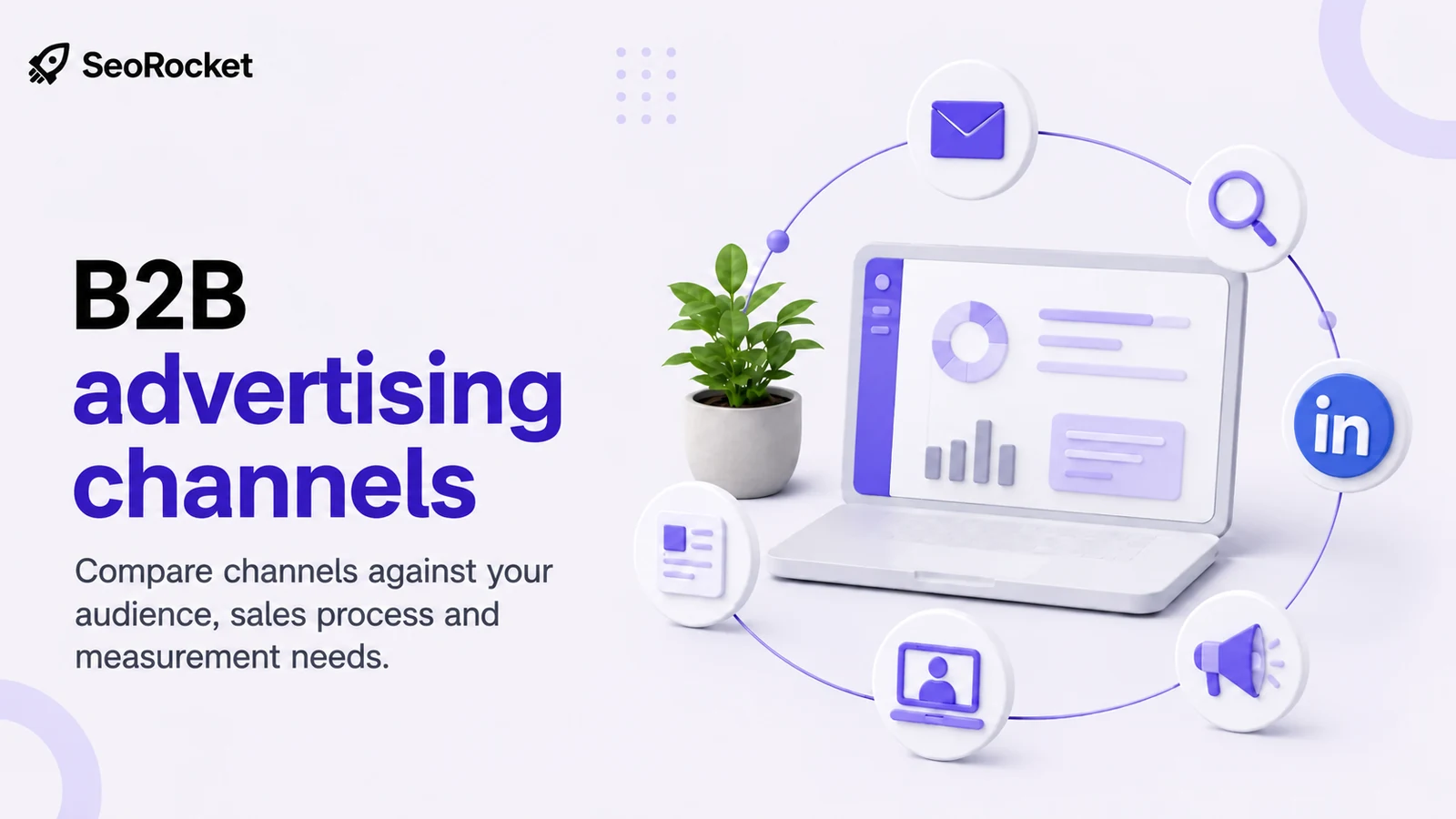
There are many possible acquisition and conversion improvements. Choose them according to the offer and audience rather than assume that one channel suits every business. For example, B2B buyers may use several channels, including search engines.
Search engine optimisation
Relevant search visibility can help people discover products or services. Organic clicks do not carry a per-click advertising charge, but the work needed to attract and serve those visitors still has a cost.
Competing in search may require technical changes, useful content and ongoing maintenance. These can support acquisition over time, but cannot guarantee first-page positions, stable visits or lower total marketing costs.
Assess the contribution using relevant traffic, confirmed sales and the cost of the work. A tool’s estimated equivalent advertising value is not revenue, profit or proof that the same visits could be purchased.
Ecommerce keyword research helps identify how people look for products and categories. The usefulness of those terms depends on intent, the catalogue and the actual search results; choosing a keyword does not itself create a ranking.
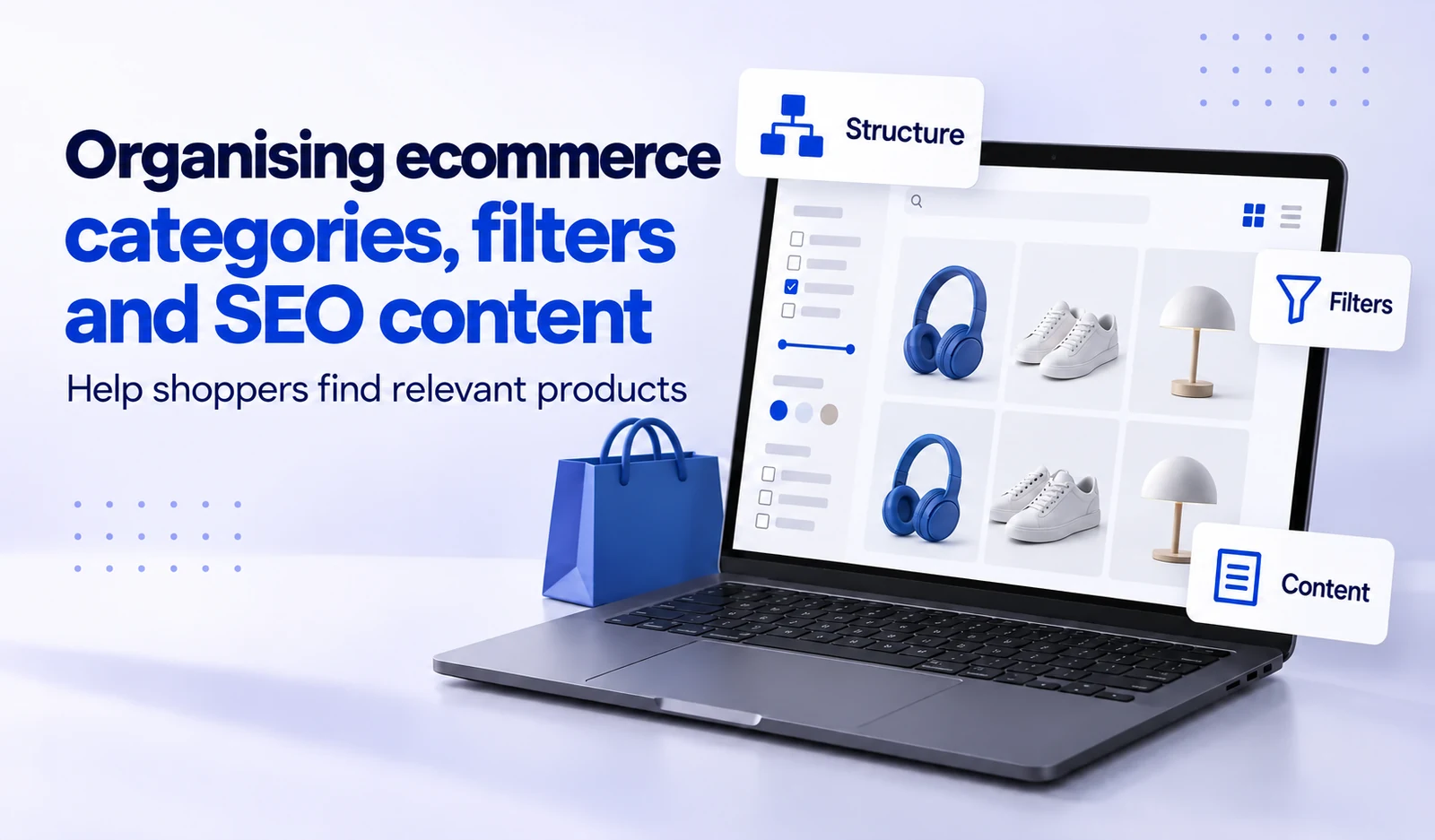
Review category pages and create new categories when they help shoppers and reflect a genuine product grouping. There is no fixed three-to-five-keyword limit per category. Describe the selection clearly and make the next action easy to understand.
Maintain supporting content where it answers genuine product questions. Research the questions customers ask and provide useful guidance, examples or comparisons. Avoid creating a separate article for every minor wording variation.
Paid advertising
Paid campaigns can provide a quicker way to test acquisition from a target audience , but visits and enquiries do not guarantee profitable sales.
Choose the platform, objective and offer according to the business need. A paid placement can help a person find a relevant option, but its value must be measured. Advertising can connect a relevant search with an appropriate landing page. Check the message, availability and next step instead of assuming that more clicks will improve conversion.
Set a target based on margin, order value and acquisition cost. There is no universal promise that an optimised campaign returns twice its advertising budget.
Social media marketing
Social accounts need an operational purpose. Some customers use them to ask short questions or resolve an issue. Choose the channels the audience actually uses and state how and when the team responds.
Public complaints need a calm, useful response. Investigate the issue, protect personal information and explain an appropriate next step. A responsible reply can support confidence, but cannot guarantee that a disappointed customer will return.
Accessible communication helps customers assess the business and obtain answers. Measure whether it resolves problems and supports sales rather than assert a direct growth effect from activity alone.
You do not need to be active everywhere. Instagram may suit visual product discovery, Facebook may be relevant for particular audiences and campaigns, and professional B2B communication may benefit from LinkedIn.
Improving checkout
Checkout needs the information required to complete payment and delivery, but unnecessary fields and unclear steps create friction. Test the actual journey and identify where people struggle rather than apply an old abandonment percentage to every shop.

Review whether shoppers can see the total, delivery charges and conditions before committing. Consider guest checkout when an account is not necessary; mandatory registration can create an additional barrier to conversions.
Reduce unnecessary actions and show an accurate order summary. One-page and multi-step checkouts can both work when they are clear and usable. Offer optional saved details only with appropriate controls and customer choice.
The objective is a dependable checkout: understandable totals, suitable payment options, clear errors and confirmation. Test whether a change improves completion rather than assume that fewer pages always perform better.
Reviews, recommendations and case studies
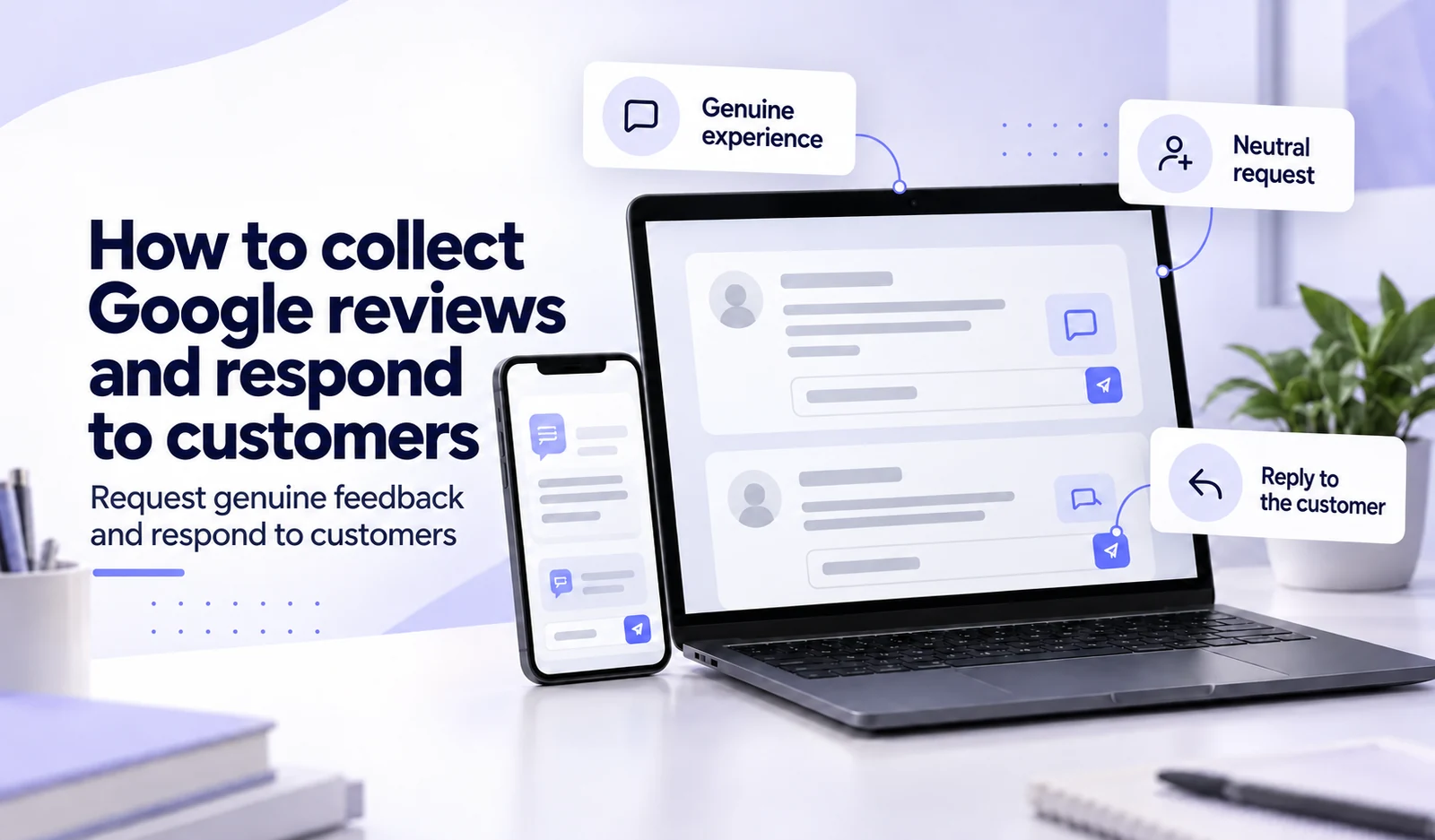
Reviews and case studies can help buyers assess an offer they cannot inspect in person. Their value depends on authenticity, relevance and clear context.
Show genuine feedback where it helps the decision. Case studies should explain the starting point, work and verified results, without implying that every customer will achieve the same outcome.

A real photograph can accompany feedback with appropriate permission, but a picture alone does not prove authenticity. Do not publish customers’ contact details as a verification device without a clear need and valid permission. Keep the source and context of a testimonial understandable.
Email marketing
Alongside other acquisition channels, email marketing can support retention and repeat purchases when it is relevant and properly measured.
Build a permission-based list rather than purchase contacts or assume that email is a quick sales shortcut. Use suitable segmentation and automation, and test meaningful changes where the audience size supports a useful comparison.
After purchase, useful communication can include instructions, setup guidance or care information. Separate service messages from promotional activity and respect the customer’s choices.
Customer service
Responsive customer service helps people obtain information and resolve problems. A service promise should match the team’s actual capacity.
Review recurring questions and public feedback to identify changes to the product information, checkout or support process.
Live chat can be useful when it is staffed or clearly identified as automated. State response expectations and provide an escalation route. A chatbot is not proof that a person is available in real time.
Making contact easy
Help customers find answers before an uncertainty prevents a purchase.
Make contact information easy to find. Put relevant forms near the services or products they concern, request only necessary details and explain what happens after submission.
Highlighting suitable offers
If a plan is labelled “most popular”, ensure that the label is supported. A genuinely recommended option can be highlighted without presenting an invented popularity claim.
A best-selling category or product marker can also help shoppers when it reflects actual data and the relevant period.
Mobile usability
People shop across devices and situations. Test the important tasks on desktop, tablet and mobile rather than rely on the page simply resizing.
Useful mobile checks include:
- A clear checkout with suitable input types.
- Supported mobile payment options such as Apple Pay or Google Pay, where appropriate to the provider and market.
- Responsive loading and interactions.
- Understandable navigation and touch targets.
- A practical way to return to a saved basket where that feature is supported.
A person may return before buying. If you offer basket persistence or cross-device access, explain how it works and handle stored information appropriately; do not assume that every visitor can be identified across devices.