Website owners need search visibility to attract visitors and support goals such as sales, awareness and enquiries. Appearing prominently in search results helps potential customers find the business.
As search engines index websites and bring visitors to them, a rank tracking tool helps monitor changes in search visibility. Here are four reasons to track keyword positions.
Identify keywords to optimise
Identify keywords from current rankings
The first step in an effective SEO strategy is assessing current visibility. This establishes which keywords your website ranks for and where it appears in Google results.
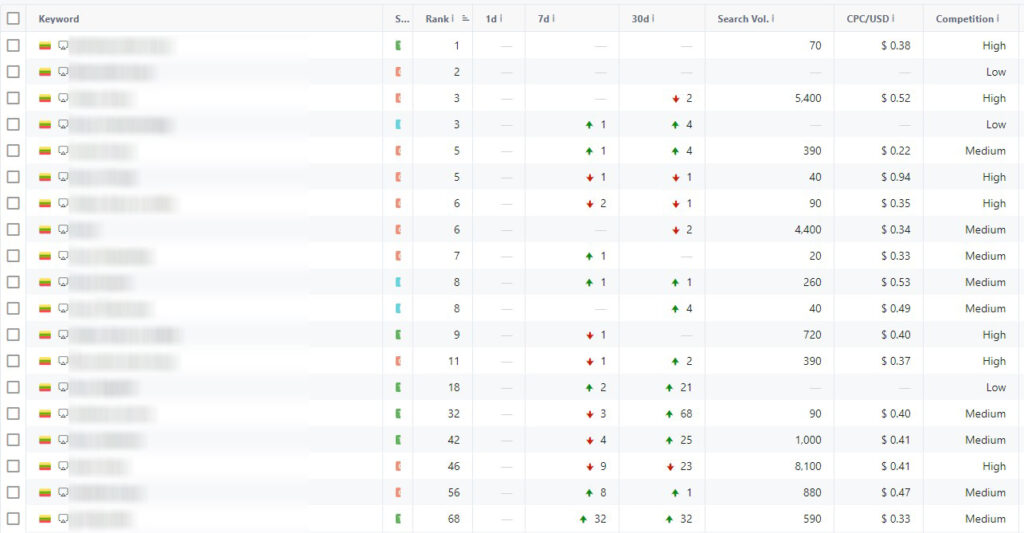
You can then ask more useful questions and build a target keyword list based on the potential quality and volume of traffic.
Current positions can help prioritise opportunities. For example, moving from position 18 to the first page may be more achievable than ranking for a term where your website is outside Google's first 10 pages.
Identify keywords through competitors
Analysing your market reveals competitors with search visibility in your sector. Comparing your website with leading results can identify opportunities, including higher-volume keywords with less competition.
Measure ranking changes
Track improvements
Rankings and traffic help assess SEO work, identify strengths and weaknesses and guide further optimisation. Technical updates, new content, new links (backlinks) and Google algorithm changes can coincide with ranking gains. Measurement helps analyse and understand those changes.
And declines
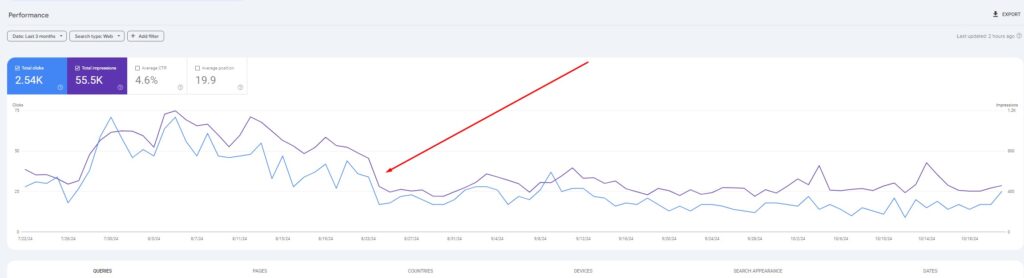
Search engine results pages change quickly. Rankings can decline gradually or suddenly, making ongoing monitoring and alerts useful.
Investigate a possible Google penalty
A ranking decline is not automatically a penalty. Check Search Console for manual actions and investigate technical, content, competition and search-system changes before naming a cause.
There are two types of sanction:
- A decline affecting selected queriesaffecting one or several keywords.
- A wider visibility declineaffecting the whole website, which may stop appearing for previously visible keywords.
Analysing rankings and traffic can help identify a possible penalty.
Technical errors and website changes can also cause major declines. Examples include robots.txt restrictions, noindex directives or.htaccess access controls. Rank tracking complements internal analytics when investigating these issues.