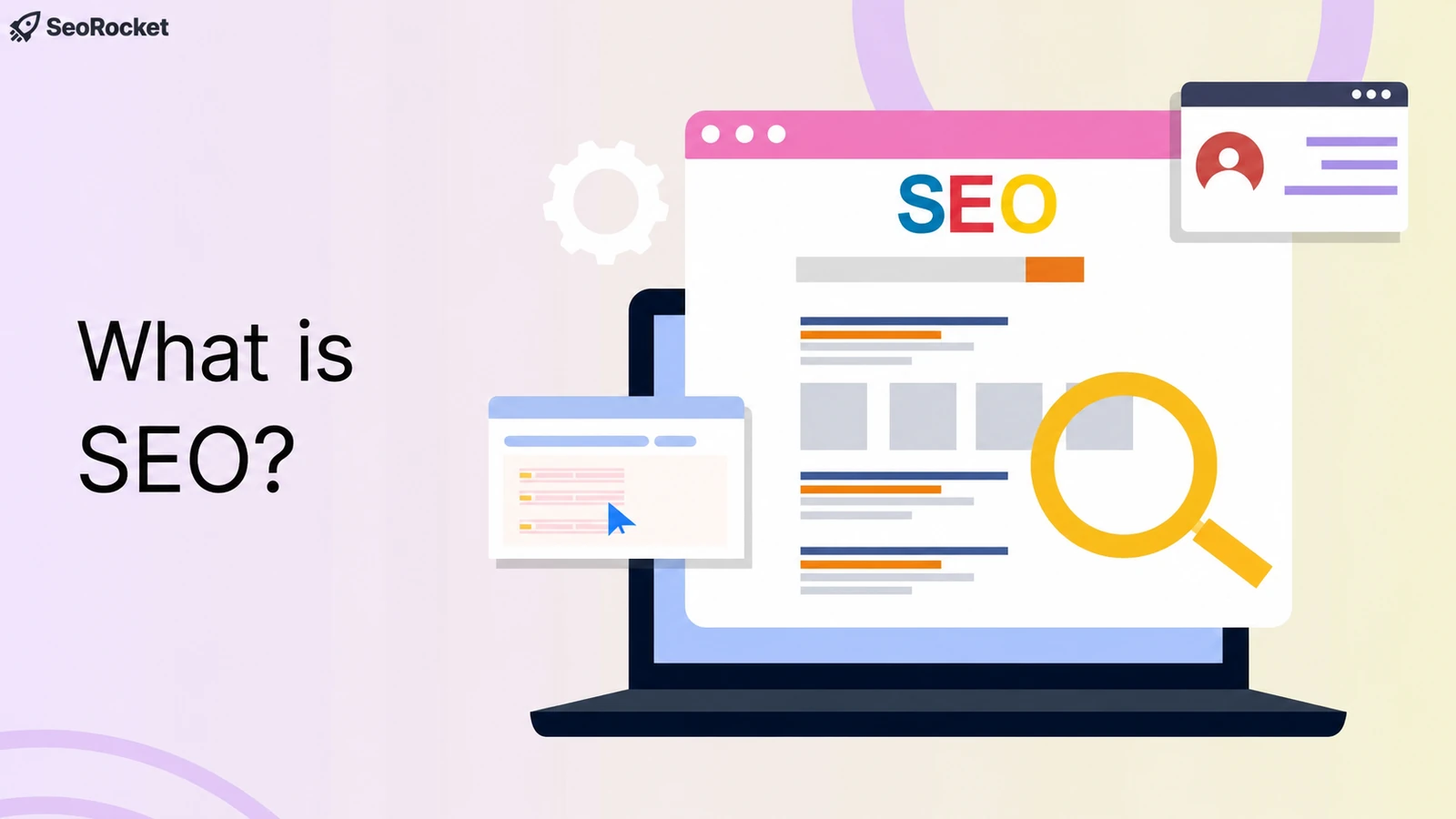
SEO stands for search engine optimisation. It is the process of improving a website so that relevant people can discover it through unpaid search results, including Google. If you have encountered the term but are unsure what it involves, this guide explains the basics for a business website.
SEO can help a business compete for visibility when potential customers search for relevant information, products or services. It involves work on the website and its wider presence. Effective search engine optimisation can attract relevant organic traffic that supports enquiries and sales, although traffic growth alone does not guarantee profit.
Read on to understand the main areas of SEO and how they can support your business.
On-page SEO
On-page SEO involves work within the website, including content, formatting and internal connections between pages. Technical checks can identify barriers that affect crawling, indexing or usability. Research tools help assess keyword relevance and monitor search performance, but the recommendations need to be interpreted in the context of the business and its audience.
Off-page SEO
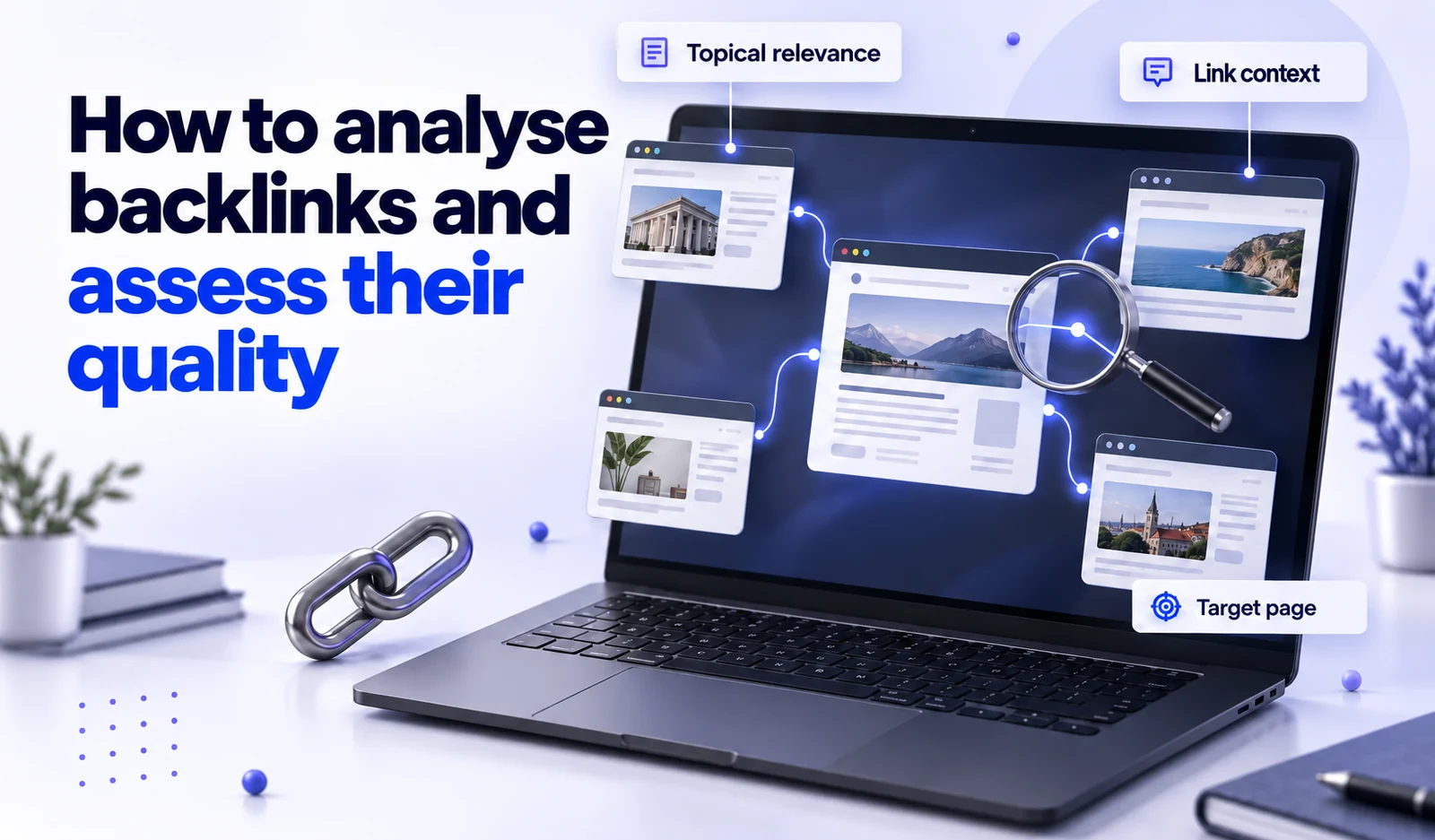
Off-page SEO concerns the website's presence beyond its own pages. Relevant mentions and backlinks from other websites can help people discover the business and contribute to how search engines assess pages. Quality and context matter: indiscriminate link building is not a substitute for useful content and a sound website.
SEO specialist
Off-page work benefits from an experienced SEO specialistwho can assess opportunities and risks, rather than promise a particular ranking. A specialist can also help develop a suitable SEO strategy and identify practical ways to improve visibility. Choose someone with relevant knowledge, a clear process and an understanding of your business.
SEO strategy
SEO strategy can help shape an effective off-page approach. A consultant should adapt the SEO strategy to the company's needs and objectives.
| Elements of an SEO strategy | Description |
|---|---|
| Keyword research (researching search terms) | Identify relevant search terms and the needs behind them so the website can answer appropriate queries. |
| Backlink building | Develop relevant opportunities for other websites to reference useful content, while avoiding manipulative link schemes. |
| Content promotion | Active content advertising and distribution through suitable channels can help reach interested readers and attract referral visitors. |
These elements should work together within a coherent SEO strategy.
Benefits of SEO
search engine optimisation can benefit a business by making its website easier to find for relevant searches. Useful, accurate content can also help people assess the company's expertise. Track how organic visits relate to enquiries, sales and other business goals so you can refine the approach. 
Greater visibility in search
A central aim of SEO is to improve visibility in search engines such as Google. When pages meet relevant search needs and can be discovered and indexed, they have a better opportunity to appear where potential customers are looking.
A credible business presence
Clear, useful and current information helps people assess your knowledge and professionalism. This can support trust and help them decide whether your products or services are suitable.
Organic traffic and sales
SEO aims to attract people whose searches relate to your products or services. Relevant visits can create opportunities for sales, but the outcome also depends on the offer, website experience and sales process.
| Potential benefits of SEO | Results |
|---|---|
| Improved website visibility | More relevant visits and stronger confidence in the business |
| A more competitive search presence | More opportunities for visits and sales |
| A clearer business identity | Customer trust and a stronger reputation |
SEO can support business growth by improving visibility and attracting relevant visitors. Good decisions require research, implementation and ongoing assessment. An experienced specialist can help you set priorities and judge progress against realistic goals.
SEO and organic search
SEO supports discovery through unpaid search results. Organic clicks do not carry a media charge, although the work has costs. Google Ads provides a paid option to assess against the campaign objective; neither channel guarantees quick results.
, which can make an offer visible in search and support sales. Organic and paid search serve related needs but have different costs, controls and timescales.
A suitable SEO strategy can help a website appear for relevant searches and reach potential customers over time. Its contribution should be assessed through search visibility, relevant visits and business outcomes.
SEO tools
SEO tools help investigate website issues, research keywords and monitor results. Crawlers can identify technical problems, reporting tools can track changes and competitor research can provide useful comparisons. Choose tools that answer the questions you need to resolve, and verify their findings before making changes.
| SEO tools | Description |
|---|---|
| Google Analytics | A tool for measuring website visits, user behaviour and other relevant metrics. |
| Google Search Console | A tool for monitoring a website's presence in Google Search, with information about indexing, search performance and potential issues. |
| Moz Pro | A broad SEO analysis toolkit for keyword research, competitor analysis and rank tracking. |
SEO specialist
If you need professional help, an SEO specialist or agency can assess your website and plan appropriate improvements. Their role is to research, explain priorities, implement or coordinate changes and evaluate the outcome.
They can review the website, conduct a detailed SEO audit, identify issues and recommend changes. They can also advise on a strategy that reflects the business's resources and goals.
Choose a specialist who understands your sector and can explain their recommendations. Ask how work will be prioritised, what will be measured and how results will be reported. Expertise supports better decisions, but no provider can guarantee a particular search ranking.
Conclusion
SEO is a marketing discipline that helps a website reach people through organic search. It combines work within the site, such as content and technical improvements, with appropriate off-page activity. The aim is useful visibility that supports the business, rather than rankings or traffic in isolation.
SEO is an ongoing process that needs a clear plan and regular evaluation. Changes to search engine systems, the market and the website can alter performance, so research and improvement need to continue.
An SEO specialist can help assess issues, plan changes and track their effects. Before choosing a provider, discuss the scope, responsibilities, reporting and realistic expectations so the work meets your business's needs.