E-E-A-T stands for experience, expertise, authoritativeness and trustworthiness. The concepts appear in Google's Search Quality Rater Guidelines, which help human evaluators assess the usefulness and quality of search experiences.
Trust is central. The related questions include:
-
Experience: does the creator have relevant first-hand experience?
-
Expertise: does the creator have suitable knowledge and skills?
-
Authoritativeness: is the creator or source recognised for the subject?
-
Trustworthiness: is the information accurate, honest and reliable for its purpose?
These considerations are especially important for topics that can significantly affect health, financial stability, safety or wider wellbeing. The appropriate evidence depends on the subject and purpose.
Raters provide feedback on the quality of Google's systems. They do not directly change a page's rankings, and their ratings are not direct ranking inputs.
How E-E-A-T differs from E-A-T
Google added experience to the earlier E-A-T terminology in December 2022.
For example, someone who has actually used a product may provide useful observations that a purely second-hand summary cannot. That experience should be demonstrated honestly.
The main elements are explained below.
Why E-E-A-T matters for SEO
The framework can help assess whether content serves its audience and aligns with search engine quality guidance. E-E-A-T itself is not a single ranking factor or a score that an author badge can increase.
Experience
Relevant first-hand work can support:
-
Practical advice that has actually been tested
-
Original observations
-
Specific assessments
Descriptions of real use, appropriate photographs and explained methods can help readers judge the evidence. Do not invent experience, visits or testing merely to make an article look stronger.
Expertise
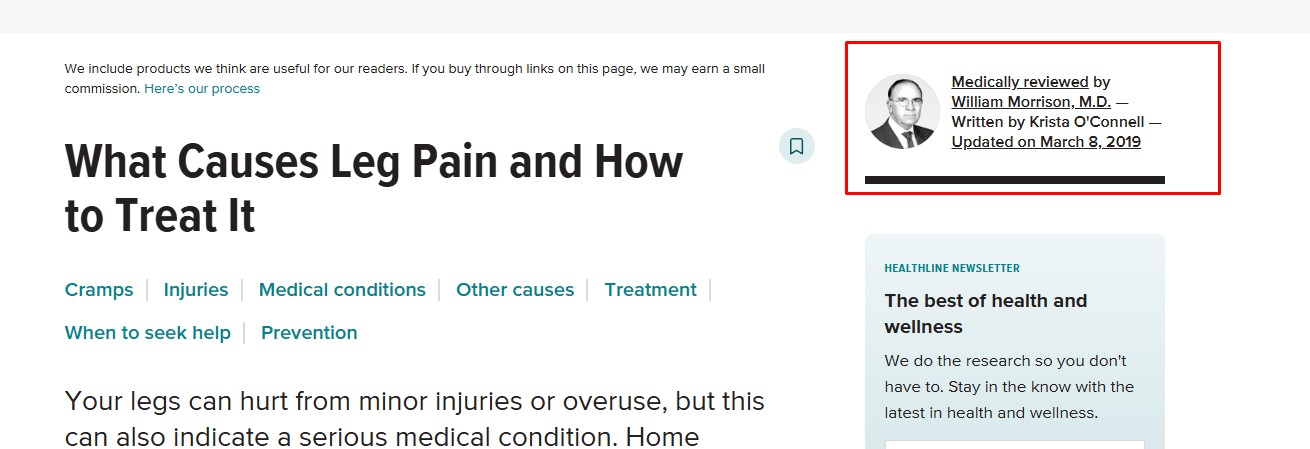
Expertise includes knowledge, skills and relevant qualifications. For a topic such as medical guidance, a suitably qualified professional's genuine contribution can be important.
The necessary expertise depends on the task. A personal account of living with a condition is different from medical advice about treatment. Community discussions can offer useful experience without replacing professional guidance.
Authoritativeness
Reputation involves recognition from relevant sources and audiences. Editorial links may be one piece of evidence, but a raw link count is not a complete measure of expertise or trust.
Assess the context of mentions, recommendations and citations. Paid appearances or links do not automatically establish independent endorsement.
Trustworthiness
Trust also depends on honesty, safety and transparency. Depending on the page's purpose, check that:
-
The website handles access and data securely.
-
Information is accurate, maintained and supported.
-
Visitors can reach appropriate help.
-
Relevant qualifications are described accurately.
Security and clear support information contribute to trust, but a secure connection or badge alone does not prove that the advice is reliable.
How to demonstrate relevant experience and trust
The following six practices can improve the information and evidence available to readers. They support useful SEO work, without guaranteeing a particular position.
Create useful content
Choose topics that match both audience needs and the knowledge available to the team.
An outdoor retailer, for example, may explain walking, camping or climbing as well as sell equipment. The value comes from genuinely useful information and relevant experience.
Research tools such asKeyword Plannercan help identify how people search for a subject in a selected market. They suggest queries, not a complete editorial plan.
Depending on the research tool, useful inputs may include:
-
Estimated monthly search demand
-
A vendor's keyword-difficulty estimate, where provided
-
A comparison of demand, intent and competition
-
Titles of pages actually inspected in the results
-
Relevant audience questions
Set clear editorial standards
Editorial standards define how content is researched, written, checked and maintained. Adapt them to the risks and purpose of the subject.
Accuracy, clarity, relevant expertise, usefulness and originality are suitable priorities.
Practical steps include:
-
Arrange a genuine review by someone other than the author where appropriate.
-
Document the intended tone and structure.
-
Define how sources will be selected and cited.
-
Agree when content needs checking and updating.
-
Provide suitable tools and reference material.
-
Make sure contributors understand the standards.
Build a credible reputation
A credible reputation develops through the work and how it is represented, rather than a badge or publicity claim alone.
Possible activities include:
-
Relevant digital PR and original contributions
-
Appropriate collaboration with recognised practitioners
-
Publishing useful expert articles in relevant publications
-
Participating constructively in professional discussions
-
Earning relevant editorial links
Community or sustainability initiatives may attract interest when the activity is genuine and its claims are supported. Publicity alone does not establish the accuracy of a website's advice.
Monitoring tools can help find mentions of a brand. Their coverage and automated sentiment labels vary, so check important findings in context.
Alerts can help identify problems that deserve a response, but criticism should be assessed fairly rather than treated as something to suppress.
Identify content creators accurately
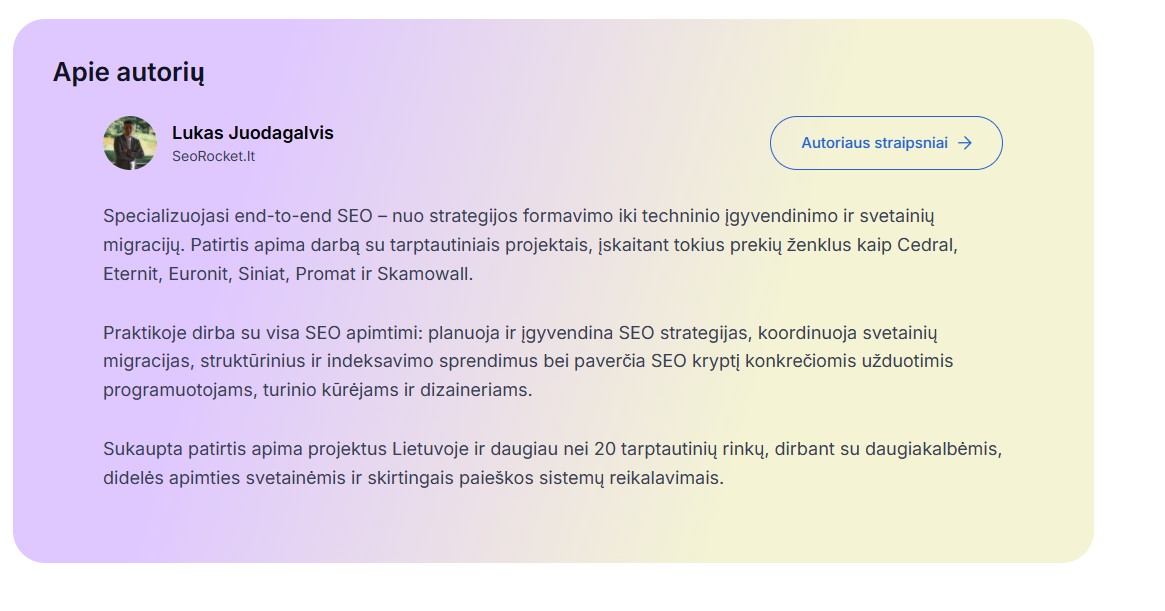
Clear authorship gives readers useful context about who created the information.
Where a byline is expected, name the real contributor and link to an accurate profile. Explain relevant work and qualifications without inflating credentials.
Profiles should help readers assess the person, not create an appearance of expertise unsupported by the content.
If a topic requires knowledge the author lacks, involve someone appropriately qualified. Attribute their contribution or review only after they have actually carried it out.
Use reliable sources
Use reliable sources appropriate to the claim. A confidently written page or high authority metric does not replace checking the evidence.
Link to the relevant source so readers can inspect the basis for important statements.
For health information, this may include suitable research and authoritative clinical guidance, interpreted with appropriate expertise.
Include appropriate user contributions
User-generated content includes material supplied by visitors, such as reviews, images, videos or questions.
Genuine contributions can offer useful experience and help people learn from each other. They also need suitable moderation and should not be fabricated.
Ways to support useful contributions include:
-
Providing appropriate review or question sections
-
Inviting customers to share an honest assessment
-
Running suitable content activities with clear terms, without rewarding favourable reviews
Where to start
Tools can support research and quality checks, but they do not generate trust automatically.
For example, suitable Semrush features may support:
-
Exploring topic ideas
-
Researching relevant link opportunities
-
Reviewing aspects of copy with writing-assistance tools
Choose tools for a defined task and check the output. The main work remains producing accurate, useful content and representing its evidence and creators honestly.