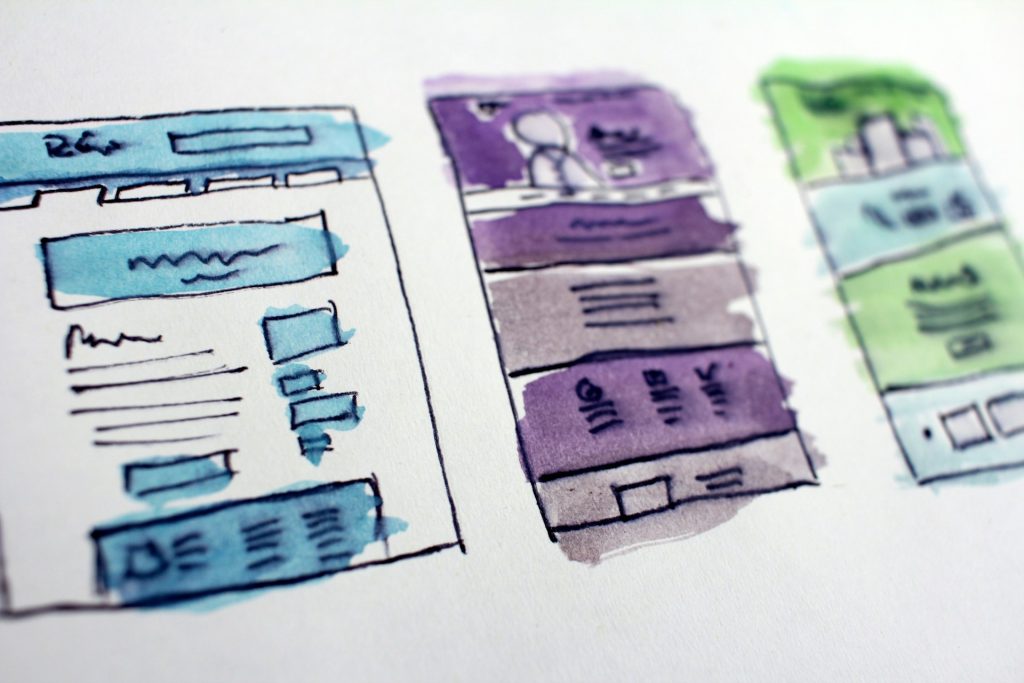
Content supports many digital marketing activities, from search optimisation to social communication. A content marketing plan helps you produce and distribute original, reliable material consistently, supporting the brand's reputation and visibility.
What is a content marketing plan?
A content marketing plan sets out how a defined piece or series of content will be created and distributed. It sits within a wider strategy and can support objectives such as awareness, credibility, audience development, market share or revenue.
Why planning matters
- Visibility: relevant content creates opportunities to be discovered in search and social channels.
- Credibility: accurate, useful information demonstrates expertise.
- Enquiries: focused topics can attract people with relevant needs.
- Relationships: a series can help people move from initial understanding to a decision.
- Sales support: appropriate content can help customers evaluate a purchase.
- Other channels: articles and resources can inform email, social posts and advertising.
How to create a content marketing plan
The following steps turn those intentions into an achievable plan.
1. Set the objectives
Use SMART principles to make the objectives:
- Specific: define what you want to achieve.
- Measurable: identify metrics you can track.
- Achievable: match the available resources.
- Realistic: account for the market and previous experience.
- Time-bound: set a clear deadline.
Useful questions include:
- What are the organisation's wider content marketing objectives?
- How long will this initiative or campaign run?
- What people, budget and tools are available?
- Which outcomes can our existing analytics measure reliably?
Agree priorities with management where necessary so the direction is clear.
2. Define the audience
Even if an audience profile already exists, refine it for this plan. That makes topic, format and distribution choices easier.
- Problems: what challenges do people face?
- Interests: which subjects attract their attention?
- Motivation: what outcomes are they seeking?
- Relevant characteristics: location, life stage, income or other details where they genuinely affect the task.
For example, a family clothing brand might address mothers of young children looking for comfortable, durable fabrics and seasonal designs. That specific need helps define useful content topics.
3. Choose a topic
Base the topic on your objectives, audience needs and available time and budget. Limited resources do not rule out useful work; a small explanatory graphic may answer a question better than a lengthy guide.
To identify and assess topics:
- Review relevant discussions and recurring questions.
- Compare keyword coverage with actual search competitors.
- Monitor developments in the industry.
- Examine useful educational posts and practitioner discussions.
- Use AI tools to explore ideas, not as final evidence.
Check relevant search demand before writing for search. A useful, discoverable page may continue attracting organic visitors, although traffic and lower acquisition costs are not guaranteed.
4. Choose a format
Match the format to the topic, objectives and resources:
- Blog articles or a connected series.
- Downloadable guides or PDFs.
- Infographics and smaller explanatory graphics.
- Videos and short demonstrations.
- Quizzes, calculators or other tools.
Text can be simpler to produce than interactive content. Writing and basic design may be enough for an article, while an interactive tool can require additional design and development.
5. Produce the content
Production usually includes:
- Writing and structuring the copy.
- Creating appropriate illustrations, charts and supporting notes.
- Editing and checking facts.
- Technical preparation, including development or integrations where needed.
A content marketer and writer will often be involved, alongside an editor, designer or developerwhere appropriate. Before publishing, check grammar, style and consistency. Clear language supports trust and helps people understand the next step towards conversion.
6. Distribute the content
Possible channels include:
- Publishing on the website or blog.
- Sharing through relevant social accounts.
- Adapting the material for different formats and channels.
- Paid advertising , including PPC where justified.
- Newsletters and other appropriate email communications.
- Sharing with relevant partners or professional contacts.
Choose distribution effort according to the content and resources. A substantial guide may justify several channels, while a short update may only need a newsletter and relevant social post.
7. Evaluate the results
After publication, measure progress against the original objectives. Use reliable analytics and consistent report structures. Consider:
- Traffic and visibility from organic, paid and social sources.
- Engagement, such as relevant interactions and content consumption.
- Conversions, including enquiries, registrations, downloads or sales.
- Content contribution, with clear limits on how outcomes are attributed.
Compare with your own baseline and earlier campaigns, identify useful patterns and adjust the next cycle.
Additional planning tips
- Work in defined cycles: 90 days can be a useful planning period, though it is not a universal requirement.
- Map topics to the buying process: awareness, consideration and decision.
- On-page SEO: clear H2/H3 headings, relevant language, useful descriptions and internal links.
- Repurpose substantial resources into shorter formats where that benefits each channel's audience.
- Publish at a manageable pace rather than alternating between bursts of activity and long gaps.
Summary
A content marketing plan connects goals, audience, topic, format, production, distribution and measurement. Start with a manageable project, assess what it contributes and use those findings to improve subsequent work. A plan makes the process clearer; its business effect still needs measuring.