On 6 May 2026, Google announced five changes to links and sources in AI Mode and AI Overviews. The changes concern how people discover and inspect sources, rather than a new set of publisher ranking requirements.
The announcement covered the following treatments across AI Mode and AI Overviews.
Related topics at the end of AI answers
Suggested links at the end of answers offer further angles on a topic.
They give readers another route into related material.
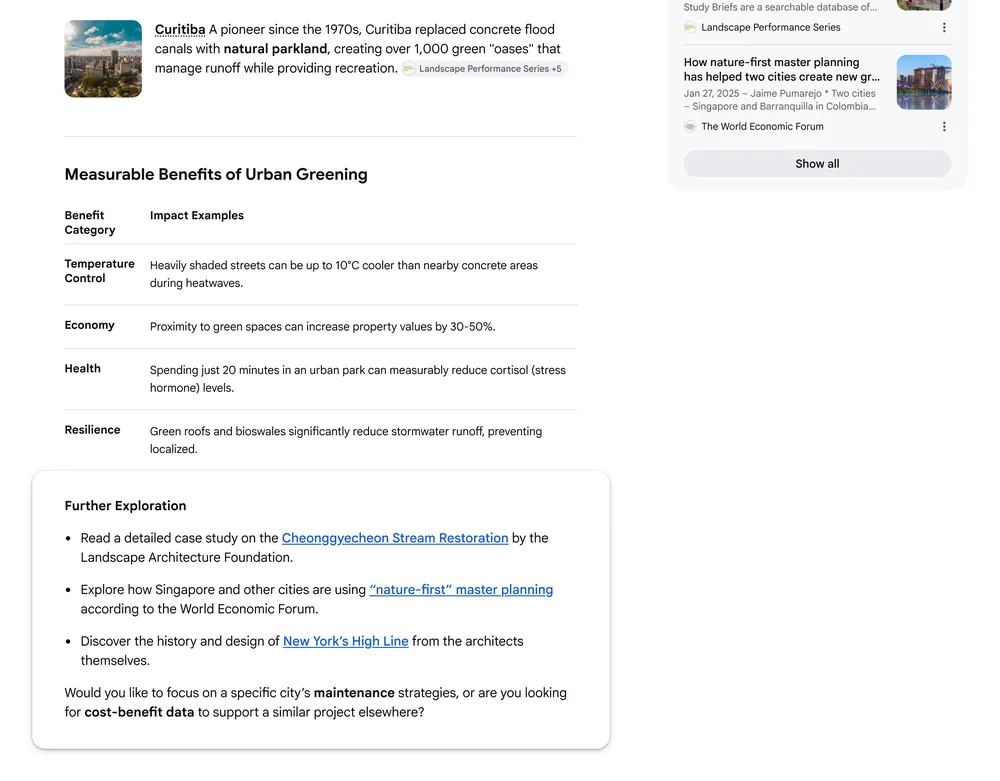
Easier access to news subscriptions
Links from a reader's connected news subscriptions receive clearer labels.
Google reported increased use of these labelled links in its early testing, not a guaranteed traffic increase for every publisher.
Publishers should follow the relevant subscription-linking guidance and eligibility process.
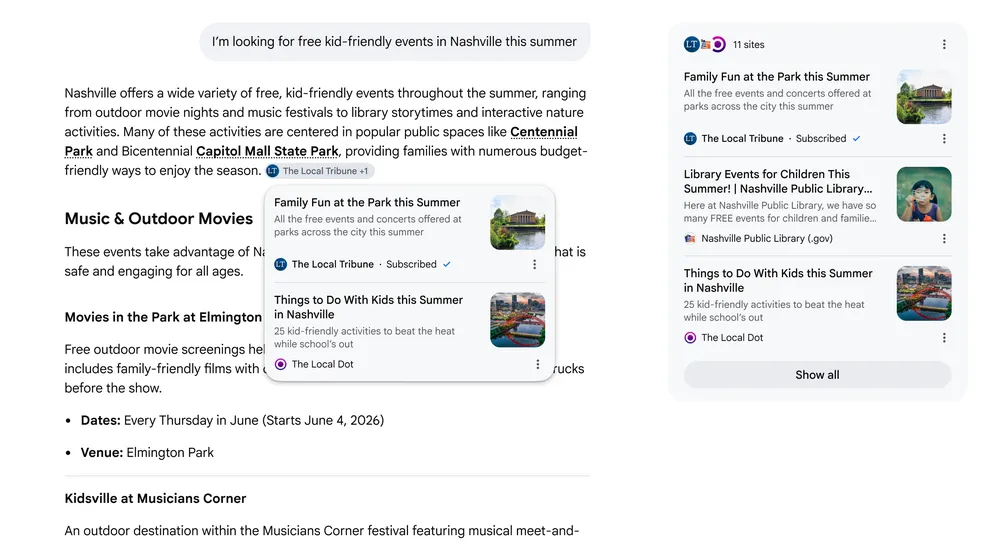
More context for discussion and social sources
Discussion and social sources can show creator or community details alongside the link.
That context can help readers judge who is speaking; it does not establish that every contributor is an expert.
Readers still need to evaluate the original contribution.
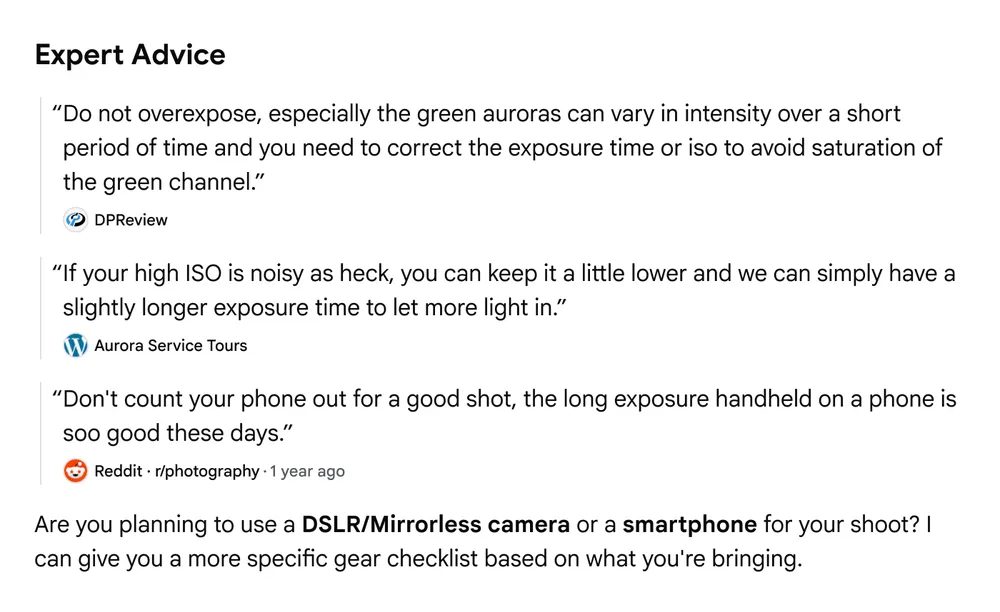
Links beside relevant text
More inline links place sources closer to the statements they support.
A nearby citation can make verification easier, but the source must actually support the claim.
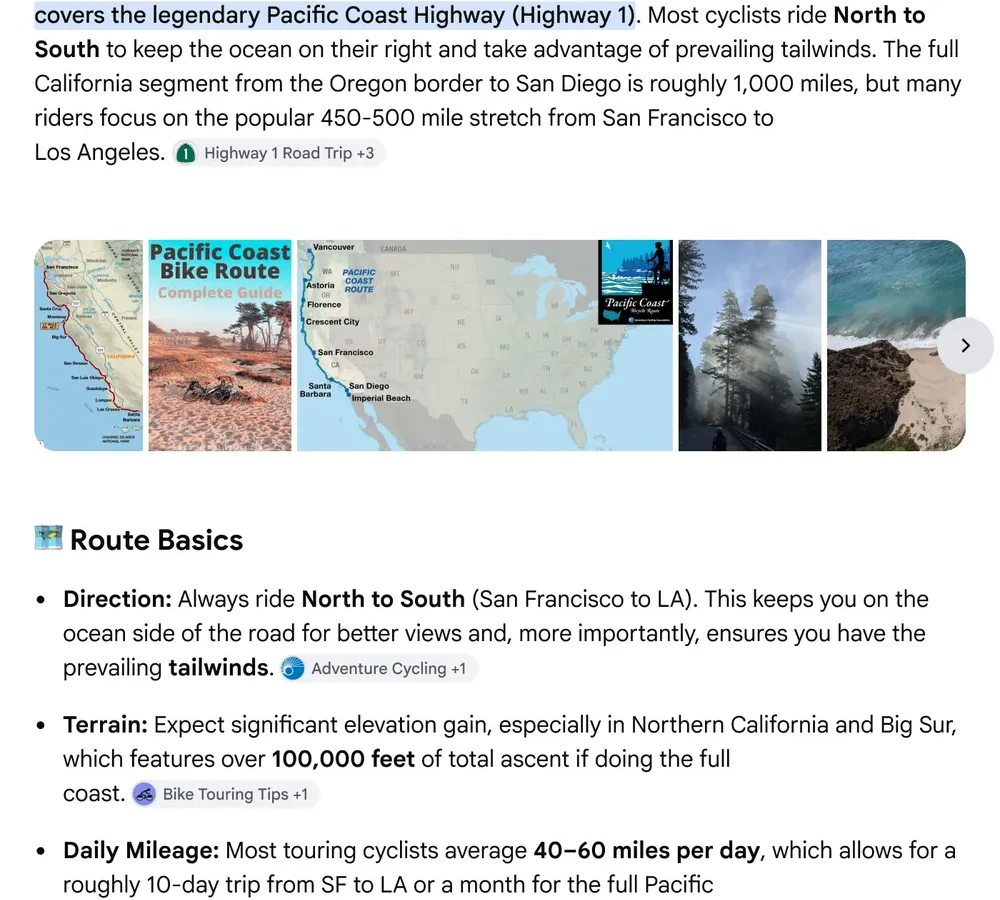
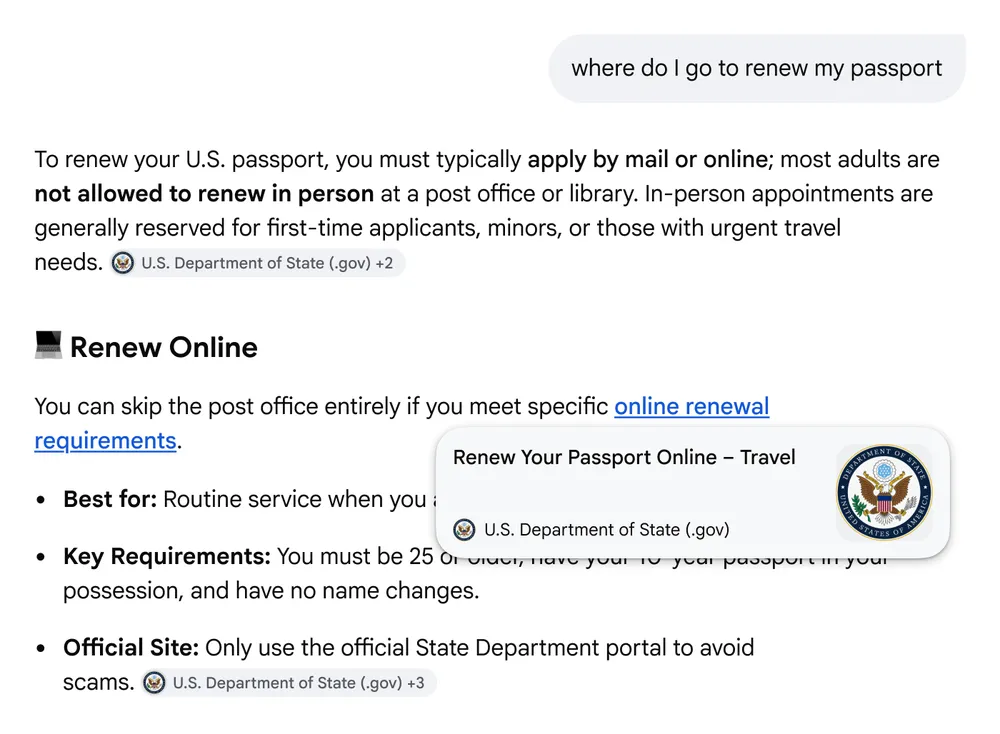
Website previews on hover
Desktop hover previews provide context before a reader opens a website.
They can show the site and page title.
Treat the preview as navigation context rather than a substitute for the source.
Why it matters
Availability and presentation can change as Google tests its interfaces.
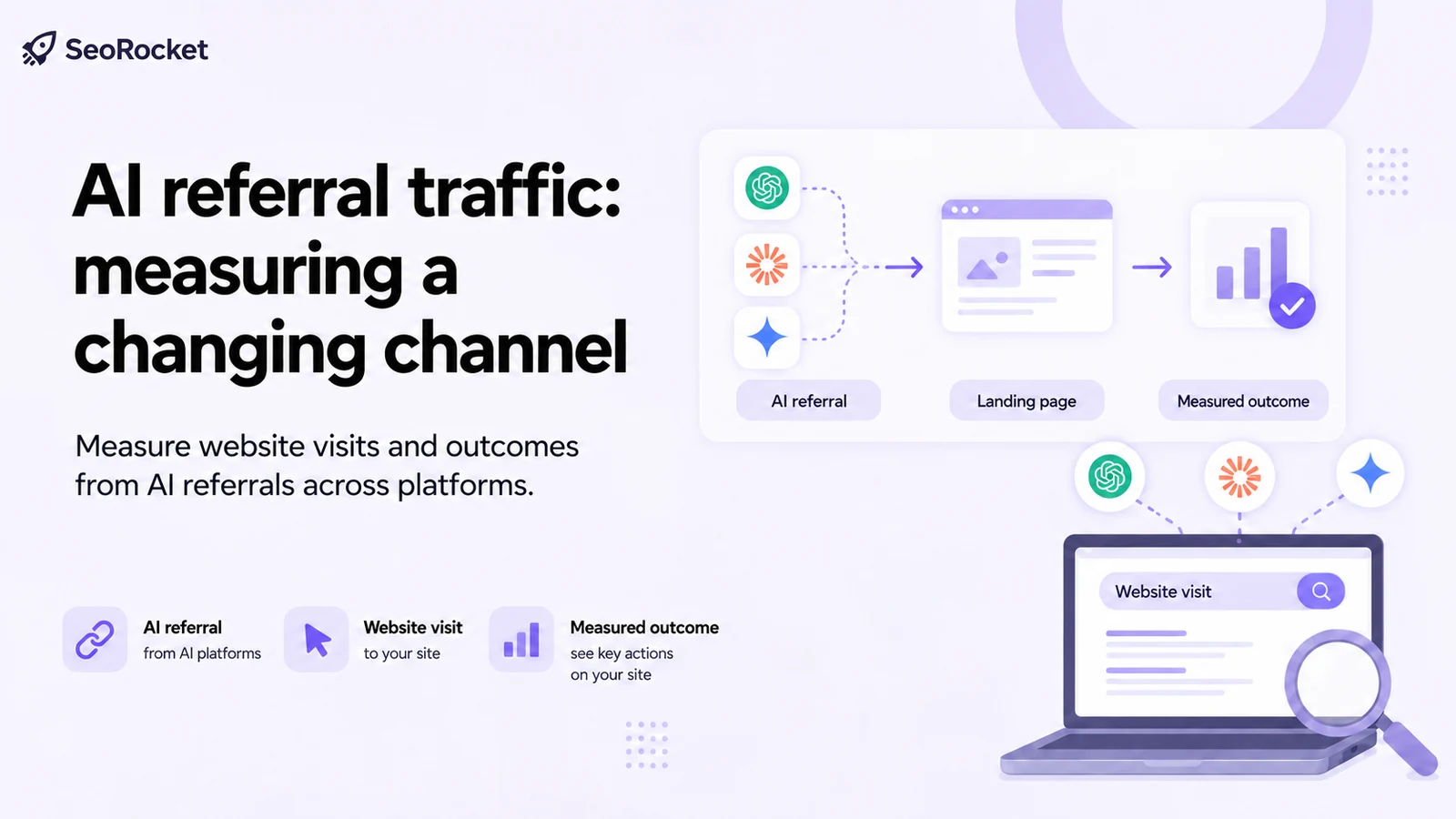
For publishers, the practical question is whether these treatments bring relevant visits. Compare search visibility and referral outcomes over time rather than assuming that more prominent links necessarily increase traffic.
A design announcement does not establish a measurable benefit for an individual site. Check the evidence in your own reporting.